
The marigold, a beautiful yellow-orange foreign flower, is an integral part of Hindu rituals, a constant in Indian households, and a shining example of India’s divine rich cultural heritage and its soul. The Indian marigold is a symbol of ultimate spirituality and a link between people and God.
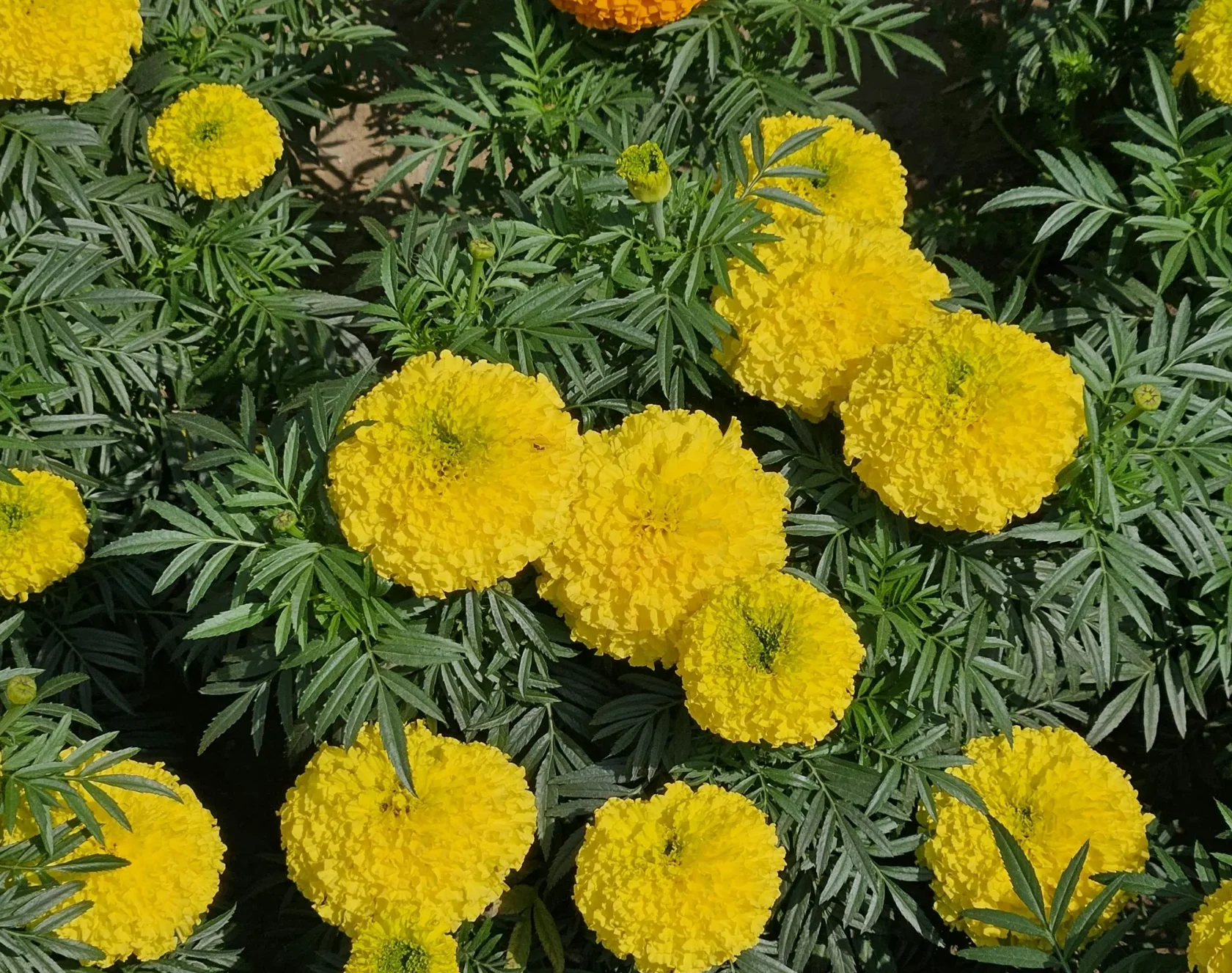
Why Marigolds Are Sacred: The Mexican Sun God Legend
The tale of the marigold, or Tagetes, starts in Mexico. It was called Cempasúchil in the past. The namimproves their lifeatl term Cempoalxóchitl, which means “twenty flowers” or “flower with many petato pique readers’ interestchil.
Legend has it that the Mexican sun deity gave this flower to the people. The brilliant orange and yellow colors show how warm the sun is. Indigenous people think that the marigold takes in sunlight. Then, it gives that energy back to the Earth. People think that the flower brings light and makes their life better in this way.
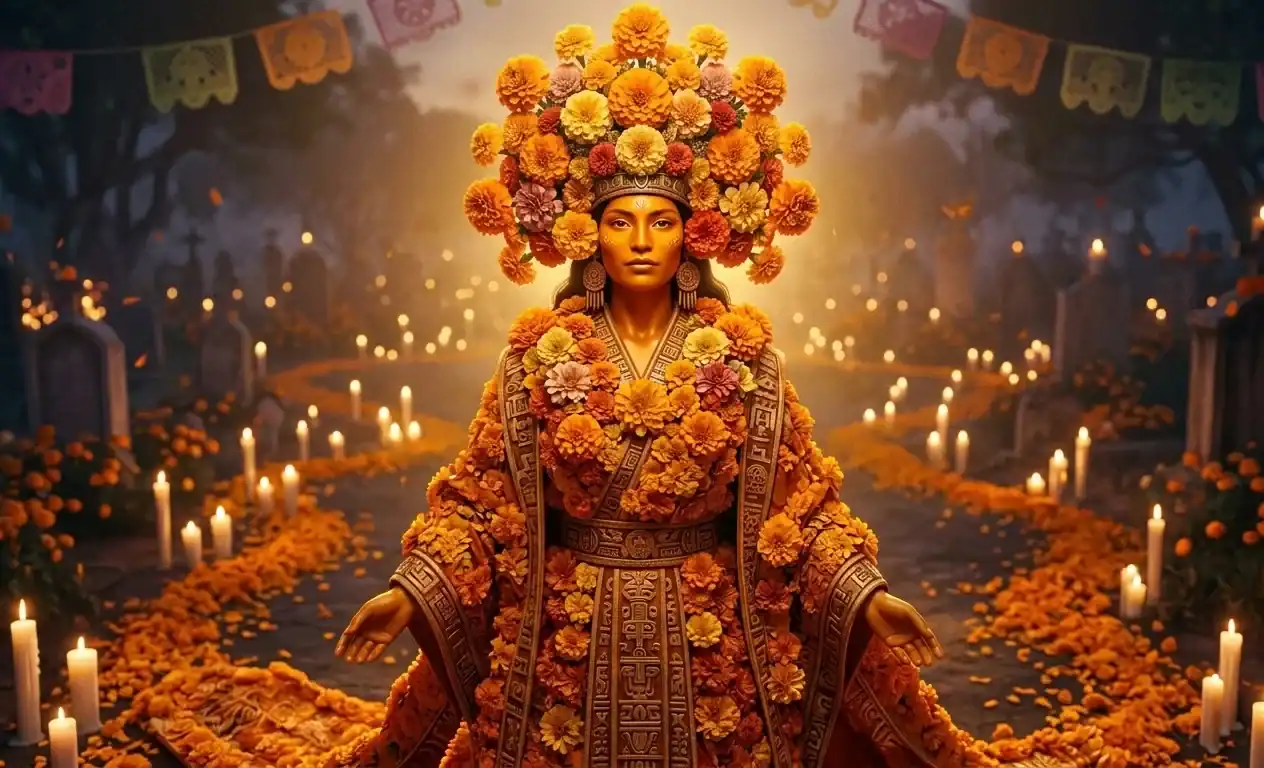
Flor de Muerto: The Sacred Marigold That Guides the Dead Back Home
Aztecs of Mexico celebrate the flower’s vibrant bloom and strong, musky aroma in the belief that it will bring the dead back to life. This folklore is what gave rise to the flower’s name, Flor de Muerto.
The animated movie from Disney Pixar’s 2017 film Coco beautifully portrays the marigold’s significance in Mexican history and culture. Aztecs of Mexico celebrate the flower’s vibrant bloom and strong, musky aroma in the belief that it will bring the dead back to life. This folklore is what gave rise to the flower’s name, Flor de Muerto. The animated movie from Disney Pixar’s 2017 film Coco beautifully portrays the marigold’s significance in Mexican history and culture.
How Targetes Conquered Indian Temples
People think that marigolds came to the Indian subcontinent in the middle to late 1600s. It’s conceivable that Portuguese traders imported the bloom from another country. This bright flower made a big impact on India’s environment soon after it got there. The plant swiftly spread all over the land.
There was already another kind in India. The Calendula, which is a native marigold, but was smaller and less colorful than the Targetes from Mexico. But the Targetes slowly made its way into Indian temples. The flower kept fresh for a long time after it was picked. That trait impressed both priests and followers.
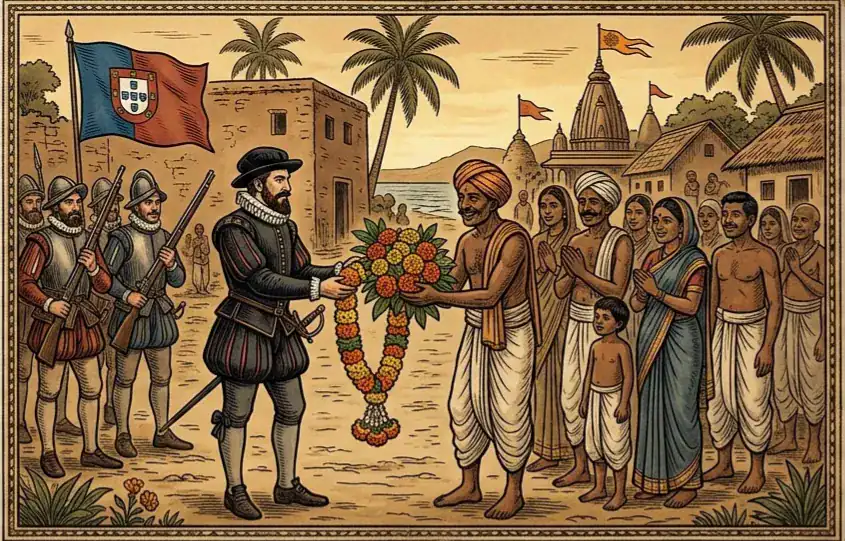
The Golden Garland of Indian Heritage
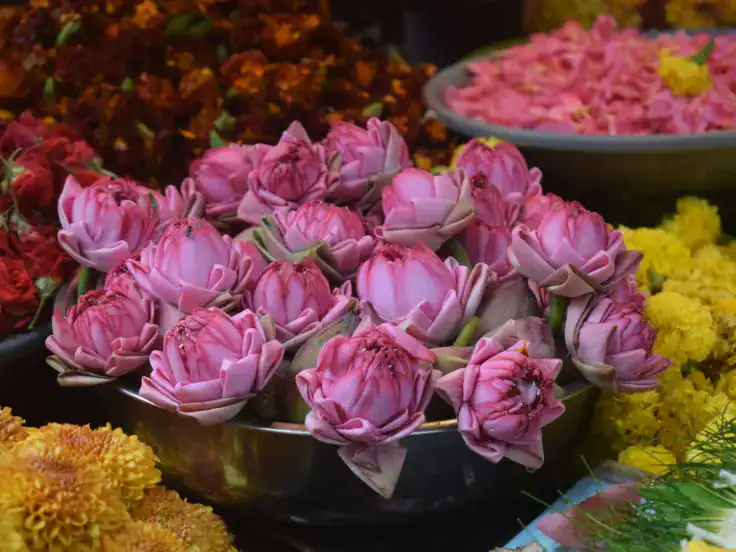
Lotus and jasmine were the most common plants used to embellish Indian temples in the 15th and 16th centuries. People liked these flowers because they looked and smelled nice. But it was hard to find both of them in the wild. This condition gradually made it possible for marigolds to enter the Indian flower market.
The resilient flower was easy to grow and find. The flower slowly made its way into sacred locations and temple rites. In Hinduism, the brilliant orange color had a lot of symbolism and stood for good luck. This is why the bright flower became popular and has a special place in every devotion.
How a Simple Bloom Won Indian Worship
It was easy and cheap to grow marigolds. A lot of Indian women started planting the flower in their yards because of this. It also became easy for the families to do daily puja and other special rites. This bright flower created garlands that kept fresh for two to three days. Within a day, most other blooms had withered.
During the Bhakti movement, where loving God became more significant than the kind of flower that was given. This concept made marigolds even more important in worship and festivity. Over time, the colorful flower became the most popular flower in India and a true staple in Indian celebrations.
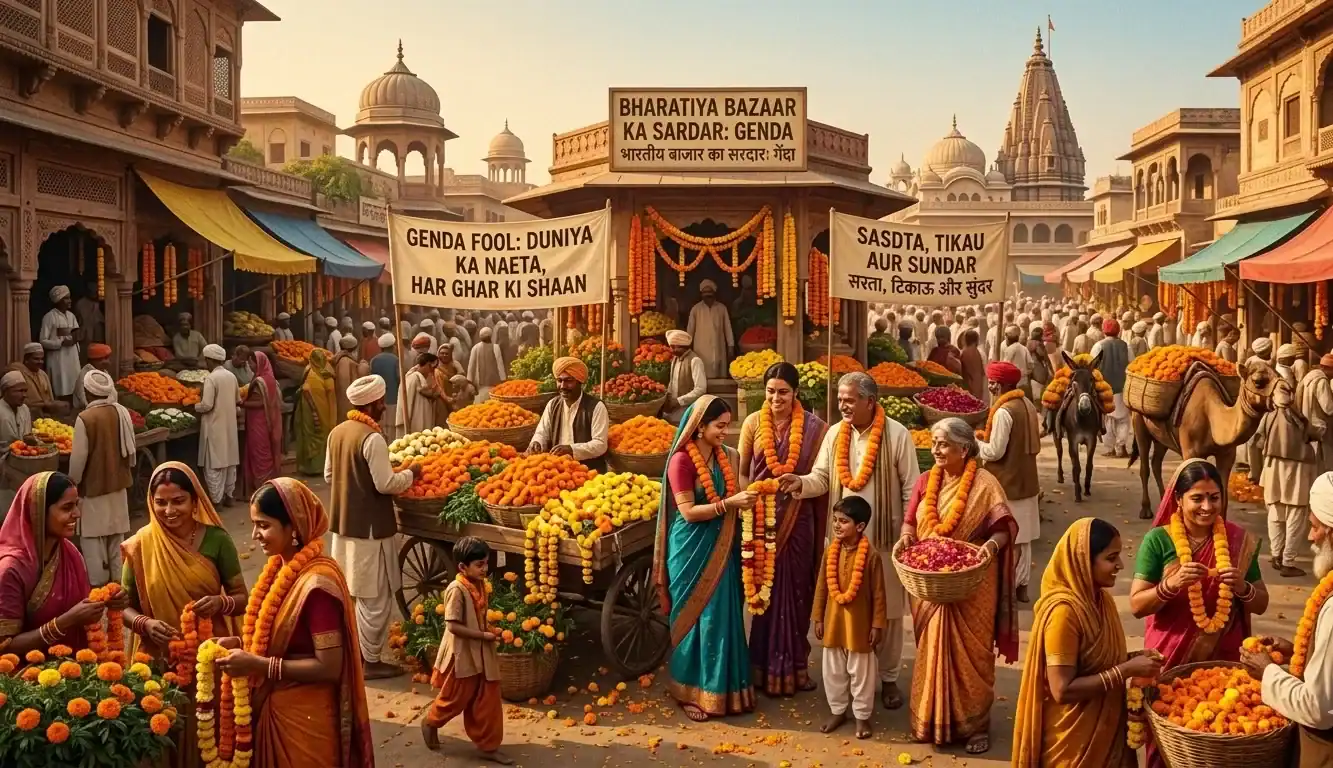
The Bright Legacy in Indian Culture
Marigold, the bright flower, is a part of every holiday in the country. Over time, the flower has become an important element of everyday life and family traditions. In today’s festivals and rituals, the modest flower plays a bigger part.
The marigold also shows how strong India’s culture is around the world. The country has always been open to new ideas, people, and ways of doing things. That spirit of hospitality makes strangers feel like family and new people feel like old friends.
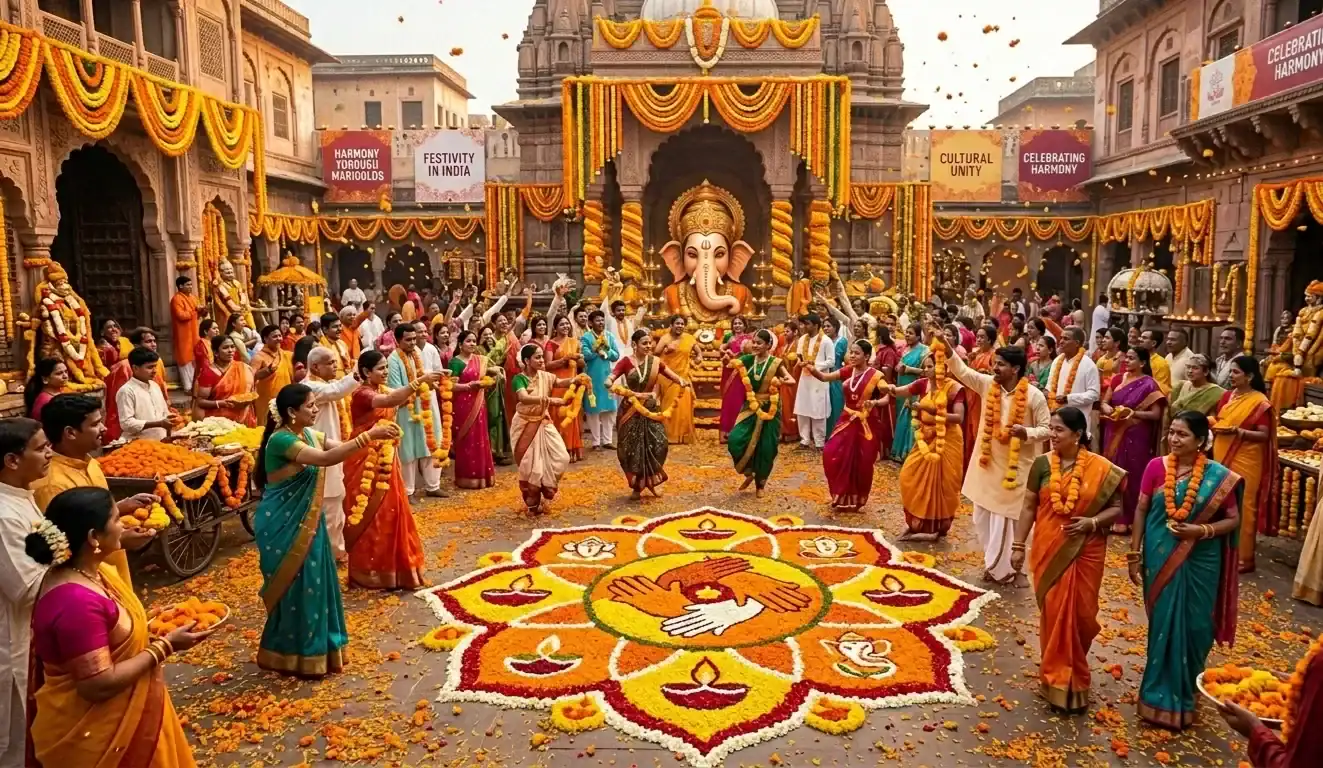
Why Every Indian Festival Has Garlands
The journey of the marigold now finds its place in modern Indian households. This vibrant bloom appears as a decoration, a symbol of spirituality, and a cherished part of family traditions. Birthdays, weddings, housewarmings, and baby showers often feature the golden flower. The presence of this blossom has become almost inseparable from celebration.

Conclusion
Marigold first flourished in Mexico as the sacred Cempasúchil. In the 1500s and 1600s, Portuguese traders brought this vibrant bloom to India. The hardy flower soon adapted to the climate and daily life. Its bright orange color, long freshness, and connection with the Bhakti movement made it a natural part of temples and homes. Today, marigold stands as India’s most beloved festival flower. From markets to family celebrations, the golden bloom continues to brighten traditions. Explore premium marigold collections at gulmahal and bring this living heritage to your celebrations.
Author of the Blog: Anirudra Purkayastha