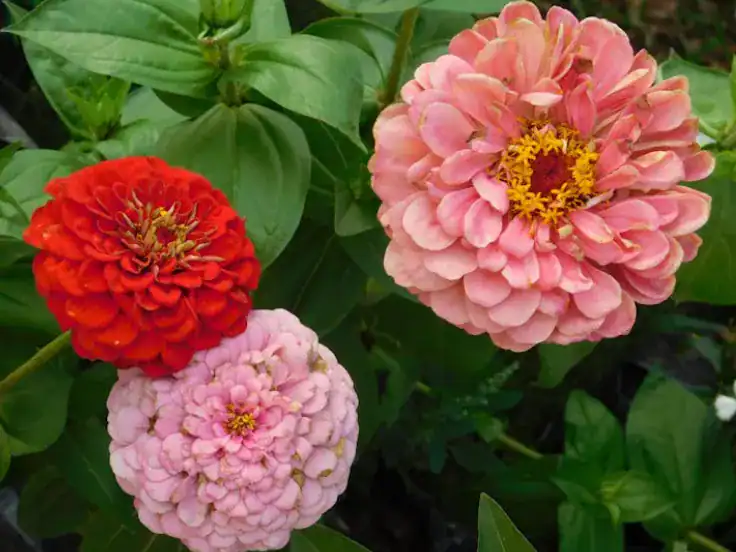
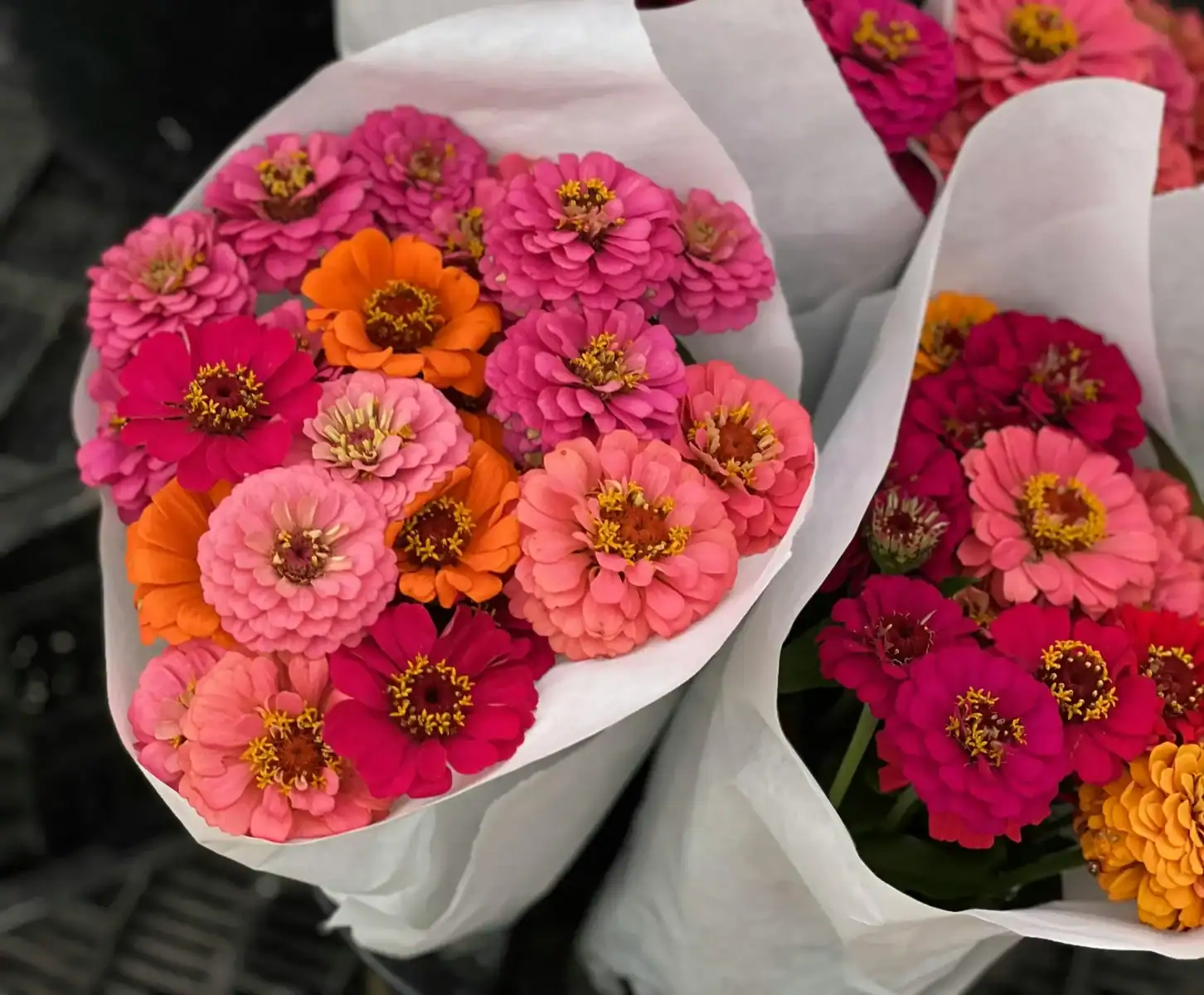
The Zinnia flower is one of the most vibrant and easy-to-grow blooms you can add to your garden. Loved for its bright colors, quick growth, and long flowering season, zinnias bring instant life and charm to any outdoor space. From bold reds and oranges to soft pinks and purples, these cheerful flowers bloom abundantly with very little care.
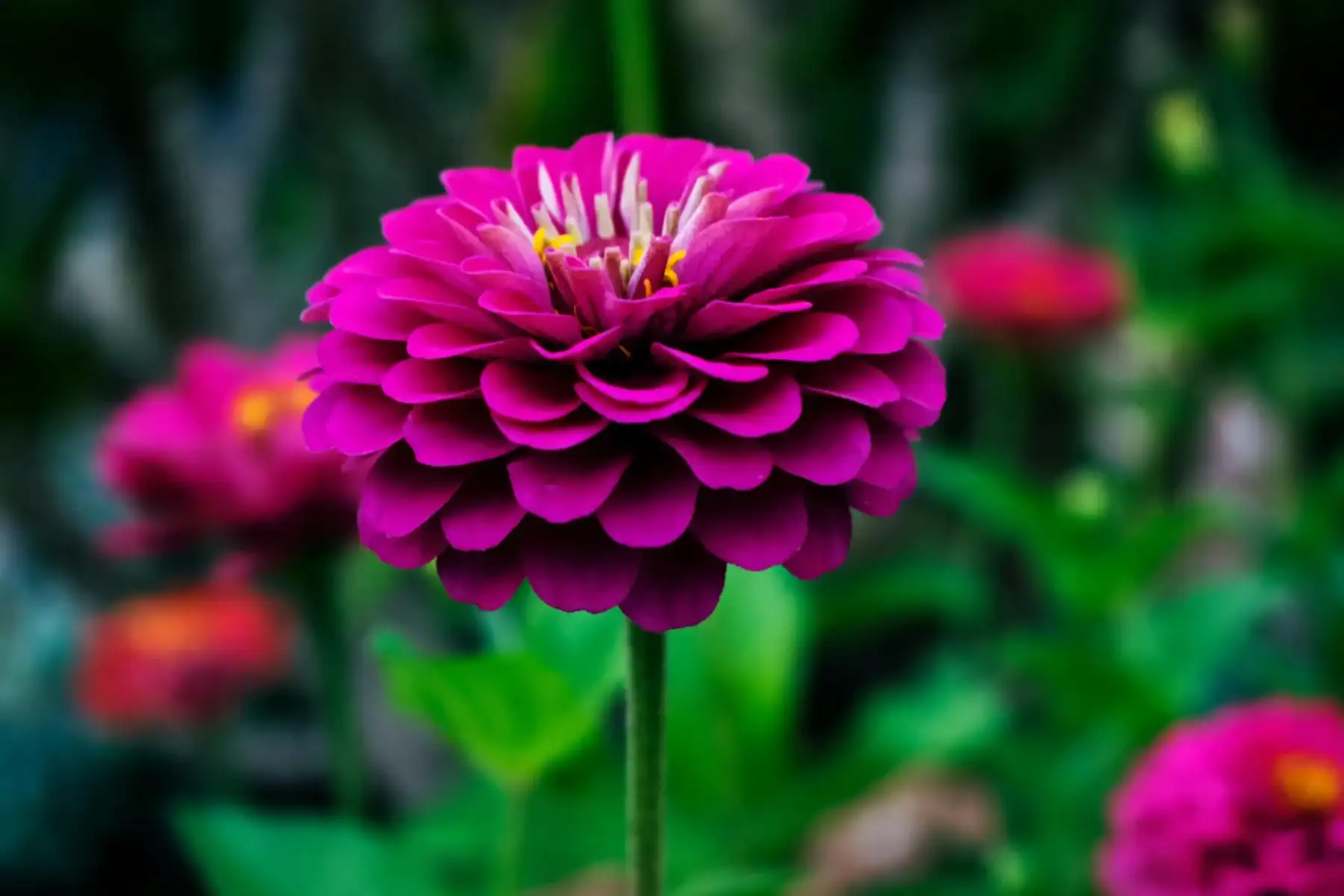
Whether you’re a beginner gardener or an experienced plant lover, zinnias are a perfect choice. In this guide, you’ll learn about the history of zinnias, their popular varieties, and simple tips to grow and care for these beautiful blooms in your garden.
History of zinnia flower
Johann Gottfried Zinn, a German botanist who lived in the 18th century, is credited with giving the zinnia its name. Zinnias, which belong to the family Asteraceae, have their roots in Mexico and some regions of Central America; nevertheless, they have since made their way into gardens all over the international landscape. As a result of their erect stems, daisy-like heads, and kaleidoscope hues, they are a well-liked option for ornamental gardening and flower arrangements. An In-Depth Exploration of the Varieties of Zinnia
Varieties of zinnia flower
The flowering plant known as the zinnia comes in a staggering variety of shapes and capacities. Listed here are some of the more fascinating variants possible:
- The Zinnia elegans plant: The traditional garden zinnia, which may be found in single, semi-double, and double varieties on the market.
- The Zinnia angustifolia is a heat-resistant and compact plant that is ideal for use in pots and borders.
- Zinnia haageana is a plant that has blooms that are smaller, bicolored, and resistant to high temperatures.
- Cactus Zinnias have petals that are spiky and twisted, giving them a textured look.
- The Pompom Zinnia is a flower that is fully double and rounded, making it ideal for use in cut flower arrangements.
- The disease-resistant hybrids of the Profusion Series are known for their continuous blooming. These tall, double-flowered cultivars are perfect for cutting gardens and are part of Benary’s Giant Series.
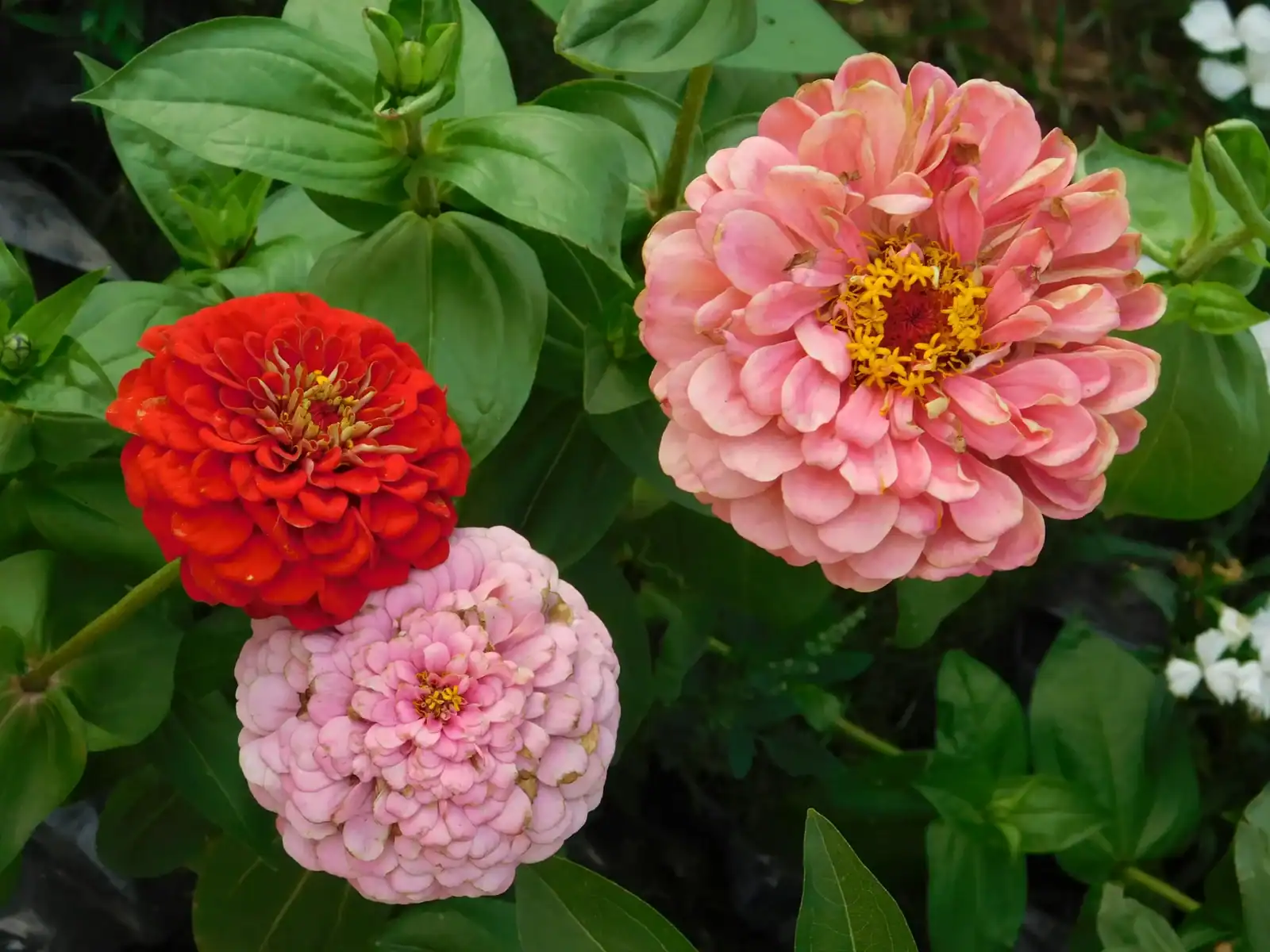
The diversity of zinnia flower types provides something for every garden design, from tiny zinnias that are small and compact to gigantic zinnias that are tall and towering.
Seasons to grow zinnia flower
The climate of India allows for a lengthy flowering season for zinnias, which normally lasts from February to November, however this amount of time varies from area to region. In plains that are warmer, planting might start as late as the winter or as early as the spring.
During the months of March and continuing through August, planting begins in hilly regions that are cooler. The Reasons Why Zinnias Do Well in Western Gardens: Capable of withstanding intense heat Within six to eight weeks, bloom.
It is best to have direct light and full sun. In pots, beds, and containers, they perform admirably.
How to grow zinnia flower
An Introduction to Growing Zinnias: From Seeds to Beautiful Blooms
- Selecting the Appropriate Location: Sunlight is what zinnias craves. Ensure that your planting area receives a minimum of six to eight hours of sunlight each.
- Preparation of the Soil: Make use of loamy soil that is well-drained and treated with compost or other organic materials. Stay away from too wet regions. Putting Zinnia Seeds in the Ground The most effective method is direct seeding.
- Plant seeds at a depth of approximately half an inch: Depending on the variety, the spacing should be between 6 and 12 inches. After seeding, zinnias will begin to bloom around sixty days after the germination of the seeds.
- Food and watering the plants: Apply water to the soil rather than the leaf itself. Maintain a wet but not dehydrated soil. Every three or four weeks, use a flowering fertilizer that is well-balanced.
- Control of pests and the use of mulch: Mulch is used to trap moisture and prevent the growth of weeds. Neem oil or insecticidal soap can be used to treat common pests like as aphids and powdery mildew when they are present.
Care Instructions for Zinnia Flowers Regularly remove deadhead
- Try to avoid watering from above; this will help decrease fungal problems.
- It is important to rotate crops: Growing zinnias in the same location year after year is not recommended.
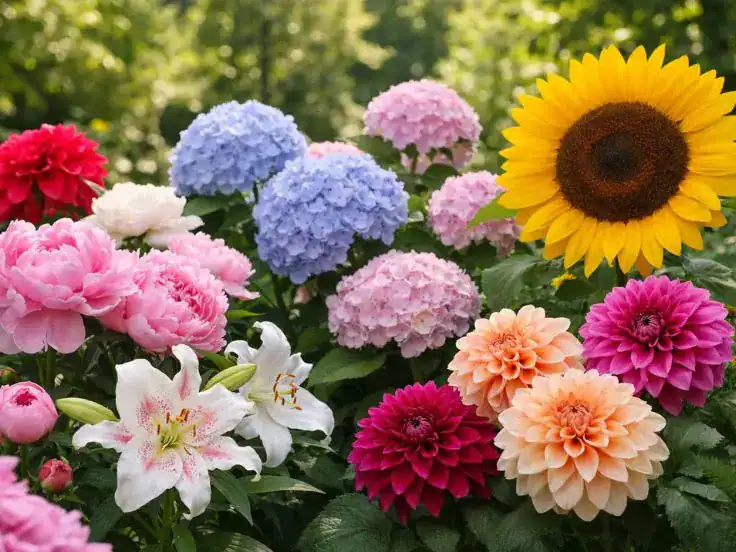
- The use of Colors and Patterns: The Uprising of Petals Zinnias are unparalleled in terms of the variety of colors they can produce. Despite the fact that they are not available in a single shade of blue, you can find any other hue imaginable:
- Oranges and reds that are blazing hot Gentle shades of pink and lavender A range of pure whites and deep purples Even more uncommon green zinnias, such as “Envy”. The characteristics of the petals, which range from single and semi-double to totally double and cactus-like textures, give each bloom its own distinctive and captivating appearance.
Growing Zinnias in Pots and Containers
Zinnias are a gardener’s favorite—and for good reason. They offer vibrant rewards with very little effort. Once established, zinnias are hardy, drought-tolerant, and adaptable to different soil types, making them an easy plant to grow even for beginners. They also attract beneficial pollinators like bees, butterflies, and ladybugs, helping boost pollination and support a healthy garden ecosystem.
With their bright petals, long stems, and impressive vase life, zinnias are among the most charming flowers for summer bouquets.
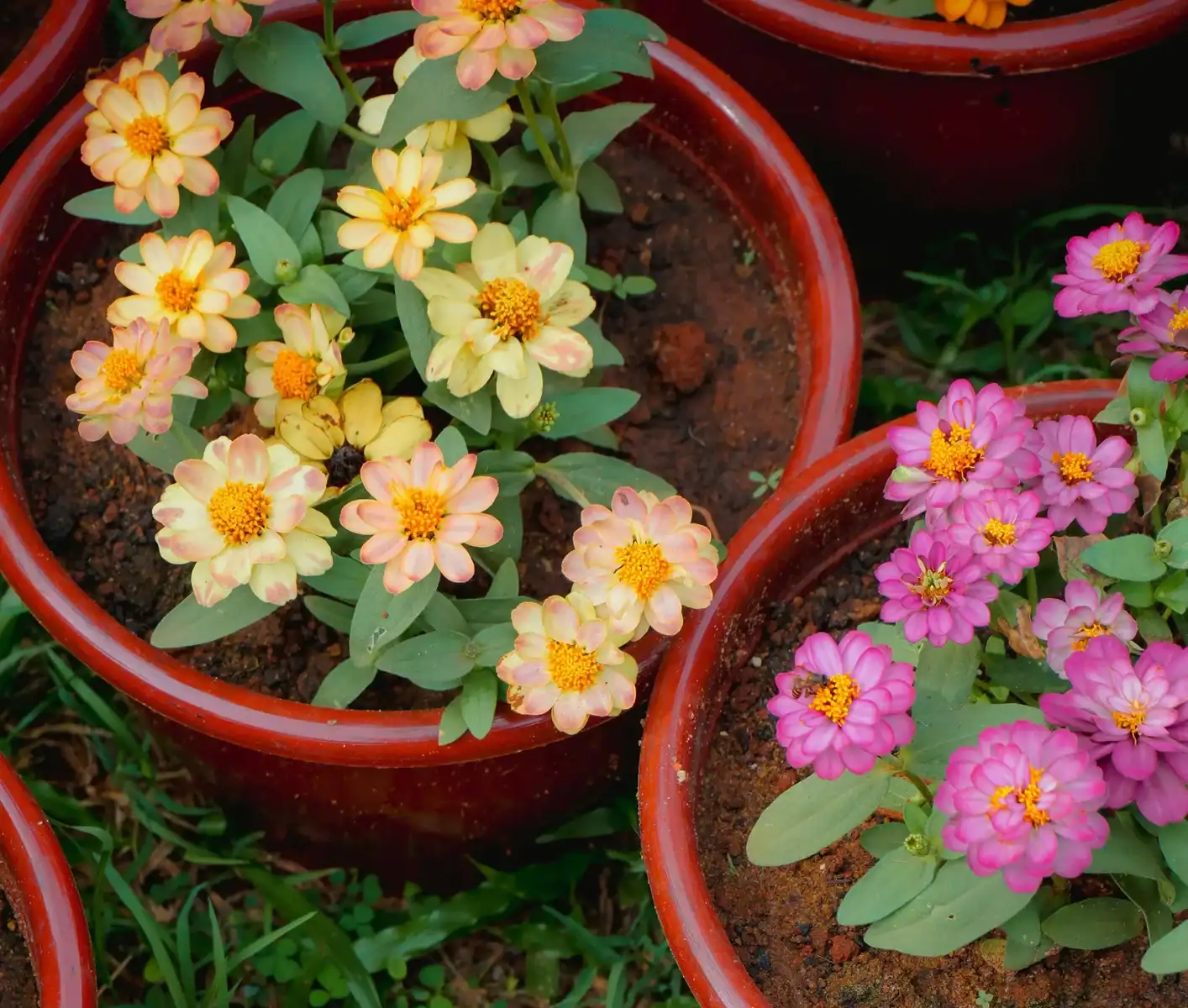
Zinnias also grow beautifully in containers. Choose a pot with proper drainage holes and fill it with a light, well-draining potting mix. Place the container in a sunny spot—such as a balcony or patio—where the plant can receive full sunlight. Make sure to space the containers slightly apart to allow good air circulation and keep the plants healthy.
Uses
Zinnias were a flower that served as a sign of long-lasting devotion and thoughts of friends who were not around during the Victorian era. As a result of their vibrant hues and long-lasting blossoms, they are also an indispensable component of wedding decorations.
Banners for the festival Rangolis from flowers Zinnias are often used in household pujas and celebratory floral displays in India, particularly during spring and monsoon festivals. This is especially true during the springtime.
Zinnia Flowers Offer Numerous Advantages which are as follows-
- Encourage the presence of pollinators and butterflies to increase biodiversity.
- For the benefit of children: The rapid growth makes it an excellent choice for school garden projects.
- Medicinal Uses (folk medicine): Used in certain areas of the world to treat skin conditions and inflammation (note: this practice is not supported by majority scientific research). A large reduction in stress and an improvement in mood can be achieved via activities such as gardening and watching zinnias blossom.
Conclusion
In conclusion, the Zinnia Flower is one bloom which will provide joy to your garden. The zinnia flower is a potent tiny blossom that provides beauty and purpose to any garden. Its brilliant hues, simple maintenance requirements, and environmental advantages make it an ideal choice for these kinds of gardens. You will be rewarded with months of uninterrupted blossoms and butterflies if you cultivate zinnias, regardless of whether you are growing them in a sunny field, a city terrace, or a plot in your garden. The zest of zinnias should be embraced.
Today is the day to plant a few, and you will see your garden spring to life with color, charm, and happiness.
Read more much interesting blogs on our blog channel.