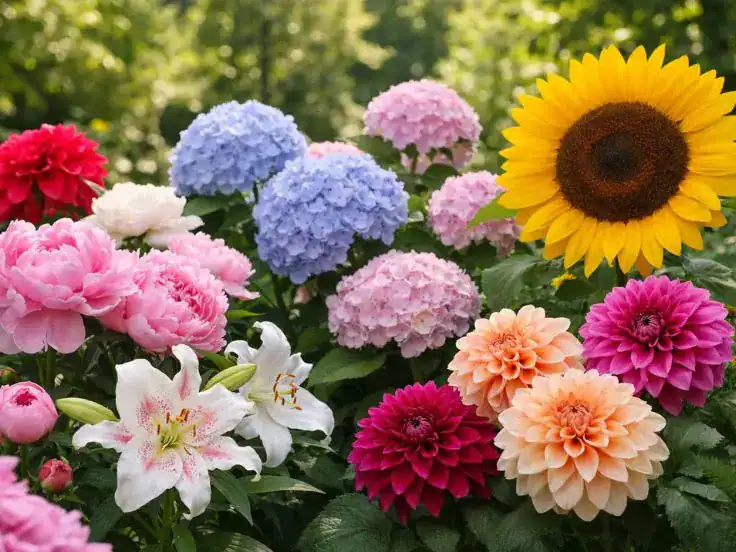
Ever wondered why flowers make us smile? Ralph Waldo Emerson wasn’t wrong when he wrote, “The earth laughs in flowers.”
Every flower is a tiny wonder from nature, with bright petals that grab your attention, soft-as-velvet texture that makes you want to reach out, and a captivating scent that seems to say “hey, stop and smell me for a minute”.
It’s no surprise we put flowers on our bedside tables and arrange them on our living room shelves. But the cool part is this isn’t just about looks, there’s the real science behind why these delicate beauties make us feel so good.
Ready to dive into the globe of flower power? Let’s explore the biology and psychology that explain the chemistry of why we’ve always been head over heels for flowers.
The Evolutionary Psychology of Flowers

Our love for flowers isn’t just a current style choice. Studies hint it’s there in our evolutionary past. Dr. Nancy Etcoff, a Harvard psychologist who did groundbreaking work on flowers and how they affect our emotions, says humans and flowers have grown together for over 100 million years.
In the past flowering plants showed where fruit could be found and pointed to safe rich areas where humans could thrive.
This deep evolutionary connection helps explain why flowers affect us on such a fundamental level, leading us to explore their fascinating chemical impact on our brains.
How Flowers Affect the Brain

Flowers make our brains release feel-good chemicals. Flower scents can lead to the release of dopamine, serotonin, and oxytocin known as “happy hormones.”
Research from Rutgers University in 2005 showed that flowers have quick and lasting good effects on emotional reactions, mood social behaviors, and even memory for men and women alike.
While these chemical responses form the foundation of our relationship with flowers, their colors play an equally important role in influencing our emotions.
Flower Color Psychology: What Different Flower Colors Do to Your Mood
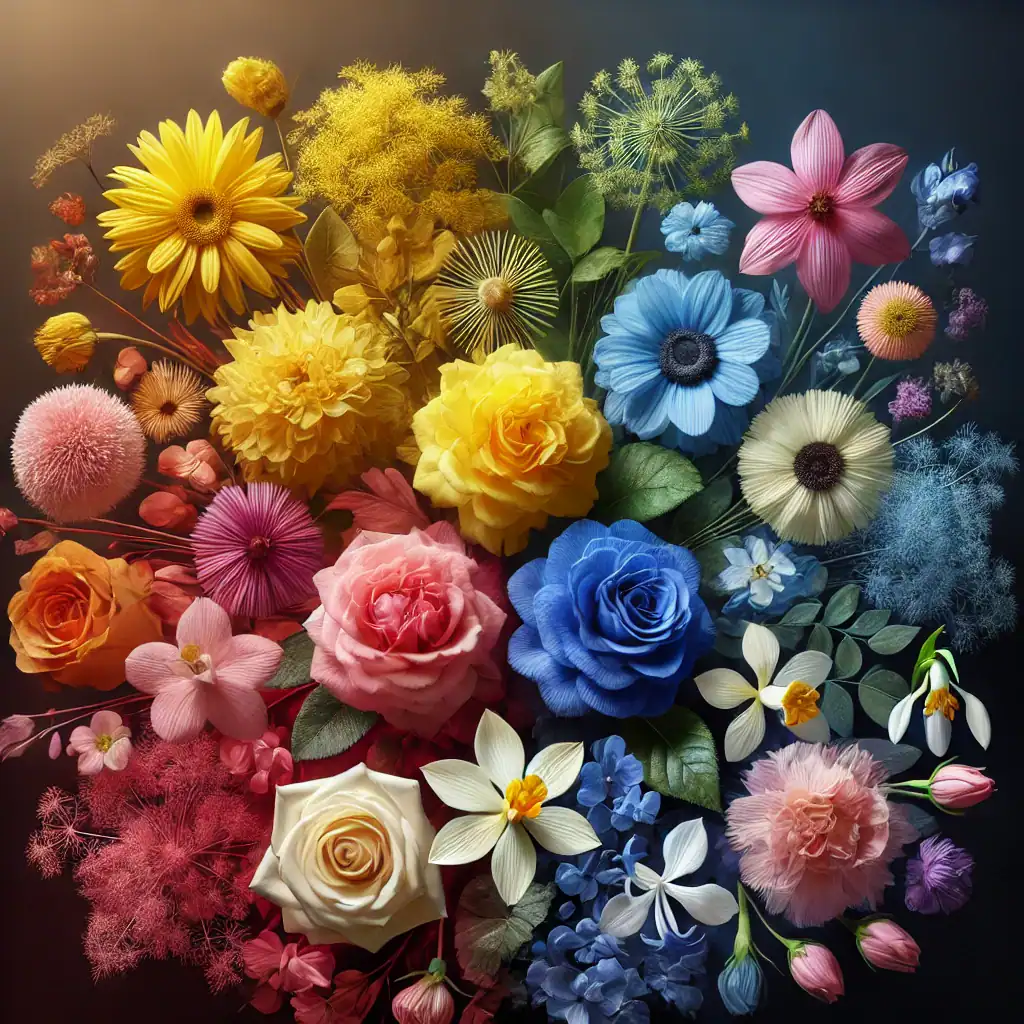
Flower colors are key to their ability to boost mood. New research in color psychology has shown interesting links between specific flower colors and how we feel.
- Yellow flowers, like sunflowers, can boost serotonin production in our brains leading to happiness and optimism.
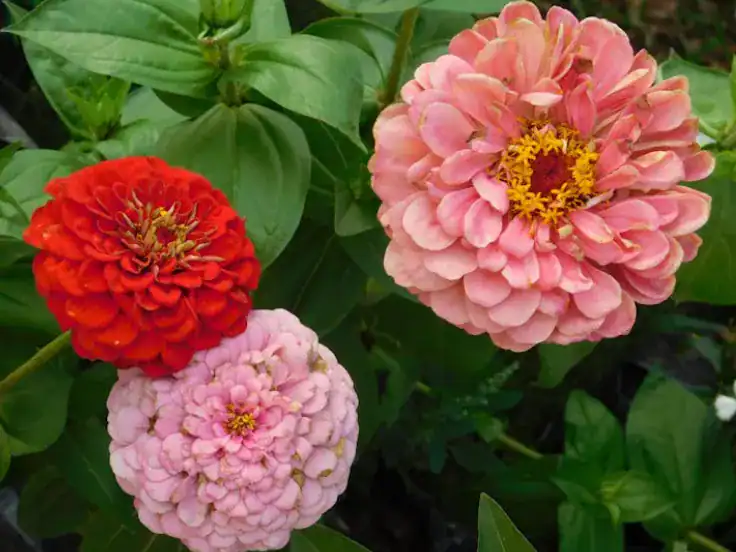
- Pink and red blooms act as natural energy boosters, with their bright colors increase energy and excitement in people who see them.
- Blue and purple flowers offer health benefits through their calming effects helping to lower anxiety and improve mental focus.
- White flowers, with their pure look, have been found to create feelings of peace and calm making them great for meditation areas and bedrooms.
This rainbow of emotional effects through color sets the stage for perhaps an even more powerful aspect of flowers – their enchanting fragrances.
The Power of Floral Scents
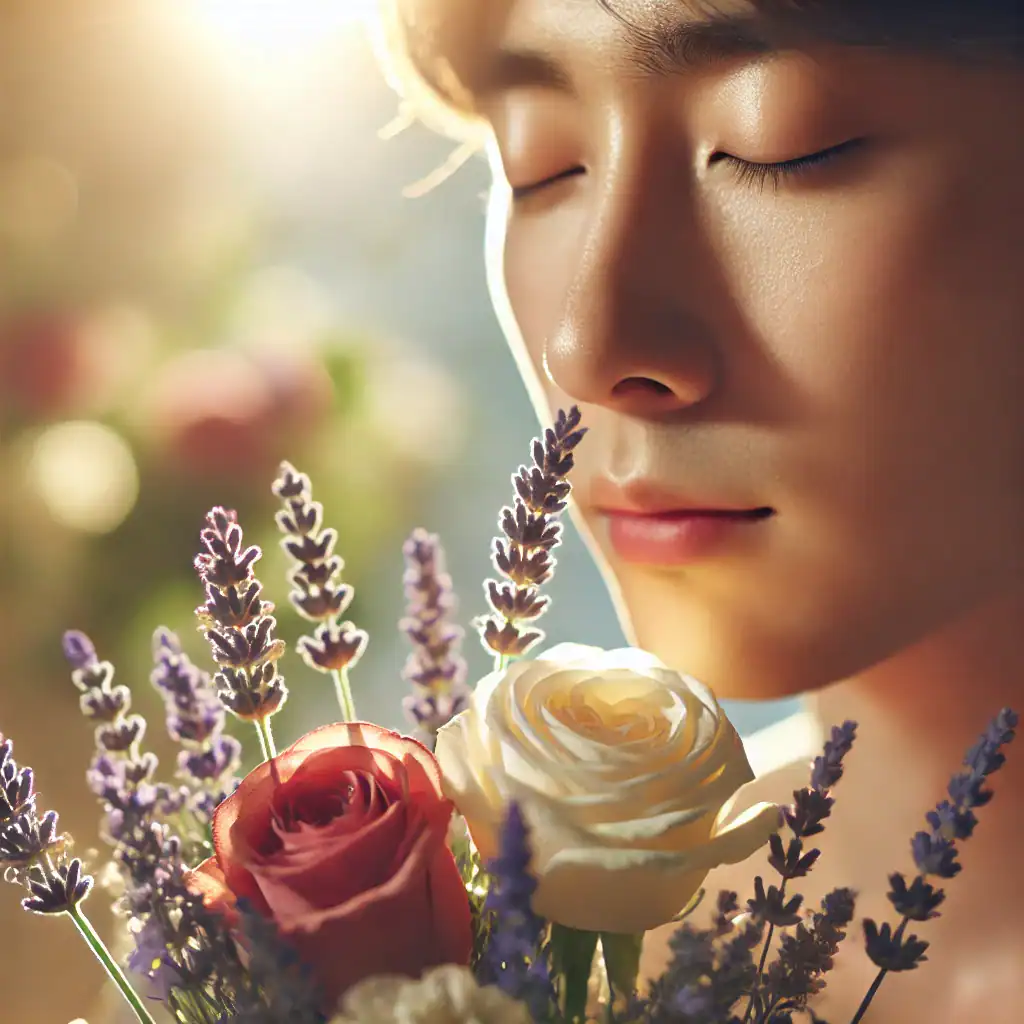
Flowers’ scent might be their strongest mood-booster. Our brain’s smell processor, the olfactory bulb, links to areas handling emotions and memories. This connection explains why some flower smells can bring back happy times or make us feel relaxed.
A study in the Journal of Physiological Anthropology showed that flower scents can slow heart rates and lower stress.
As we understand how profoundly scents affect us, it becomes clear why flowers can guide us toward a more mindful existence.
Flowers and Mindfulness: How Fresh Flowers Help You Live in the Moment
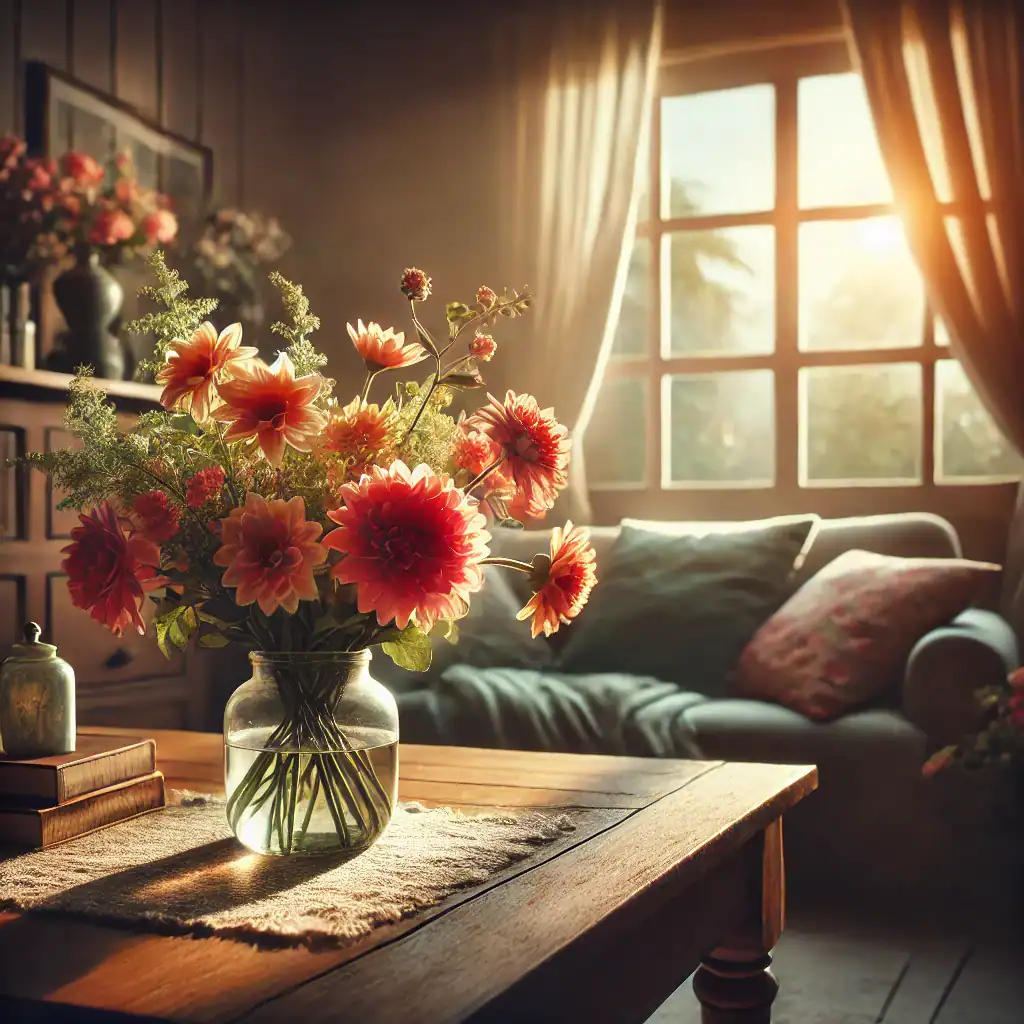
Flowers also help us focus on the present. Their short life: blooming then fading – reminds us to enjoy the moment.
Research from 2018 in Complementary Therapies in Medicine found that having flowers around the house can cut down on stress and worry by making people more aware of their surroundings.
This heightened awareness through flowers naturally extends to our social relationships, creating deeper connections with those around us.
Flowers and Human Connection
Flowers are a nurturing force of social ties. Rutgers University found that flowers provide just the right impetus for humans to act toward more positive social interactions.
Flowers often encourage more contact with loved ones and can communicate what mere words cannot.
Given these powerful social benefits, it’s no surprise that flowers can transform our most structured environments – our workplaces.
The Workplace Effect
Even in the workplace, flowers make a huge difference.
According to a Texas A&M University study, flowers and plants increase employees’ idea generation. Along with it they also elevate creative performance, and problem-solving skills.
Conclusion
The science is clear: flowers aren’t just a pretty decoration. They are nature’s original mood enhancers, co-evolved with us to regulate our emotions and spur healthy well-being.
Let this be an informative consideration when you next catch yourself admiring a flower. And remember your response is aligned with millions of years of evolutionary programming and intricate biochemical processes of flowers being nature’s very own antidepressants.