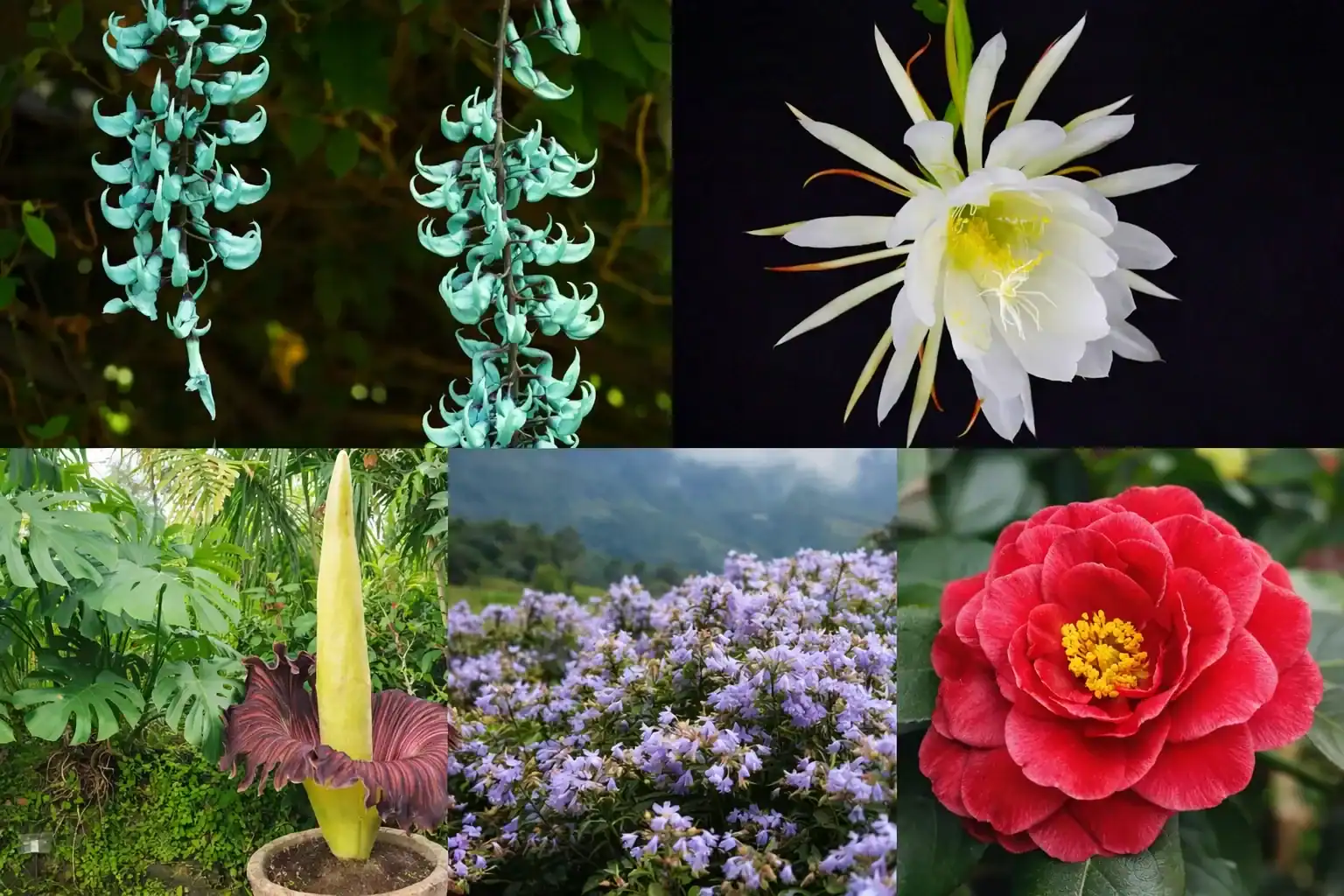
Some flowers aren’t meant to impress at first glance – they arrive slowly, reveal themselves quietly. They’re not common, and they don’t try to be. What makes them unforgettable isn’t just how they look. It’s how they feel, the impression they leave.
Jade Vine (Philippines)
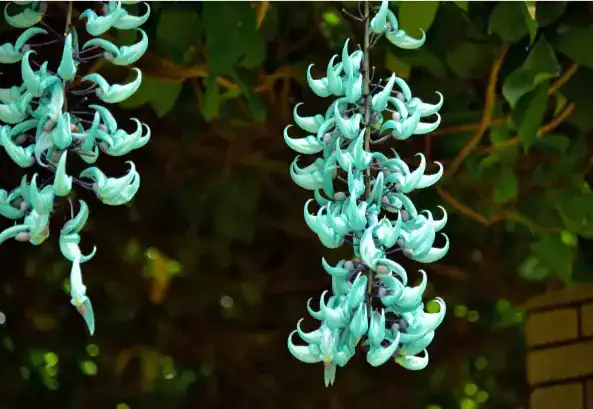
It hangs like a strange dream in the forests of the Philippines. The Jade Vine doesn’t grow in many places—hardly any, really. Its blooms are long, curved, and colored in a shade that looks like it belongs underwater. Turquoise, but not quite. More fluid than that. Some people try to grow it elsewhere, but the results are never the same. It needs heat, humidity, shadow—and, it seems, a little mystery.
Kadupul (Sri Lanka)
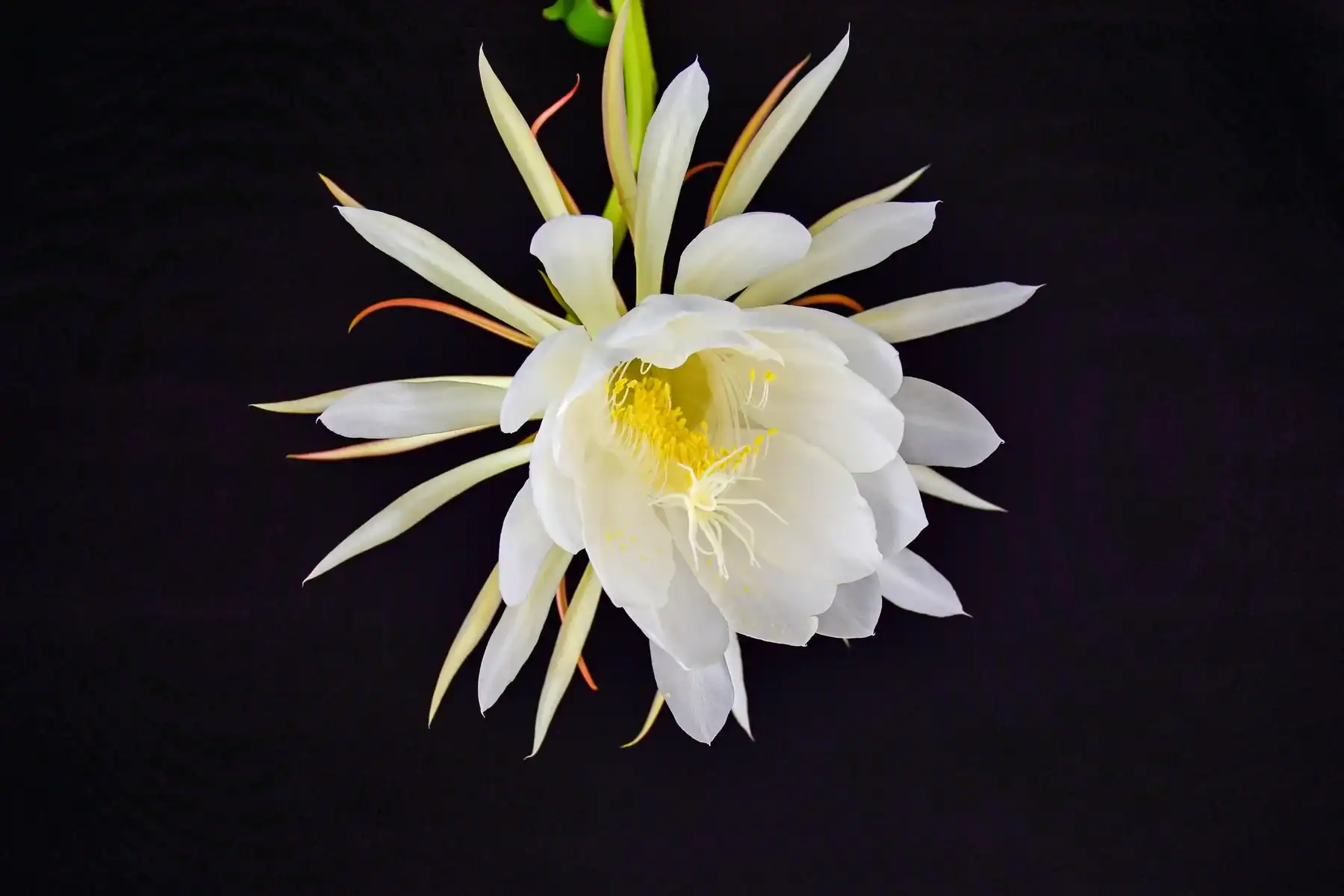
The Kadupul flower doesn’t stay. It blooms late at night, and by the time morning comes, it’s already gone. You can’t touch it. If you try, it fades. Its scent is there, but barely. You might catch it once, maybe. And that’s the story—nothing to keep, no photo that does it justice. You remember it or you don’t. It’s one of those things you experience in silence.
Titan Arum (Sumatra)
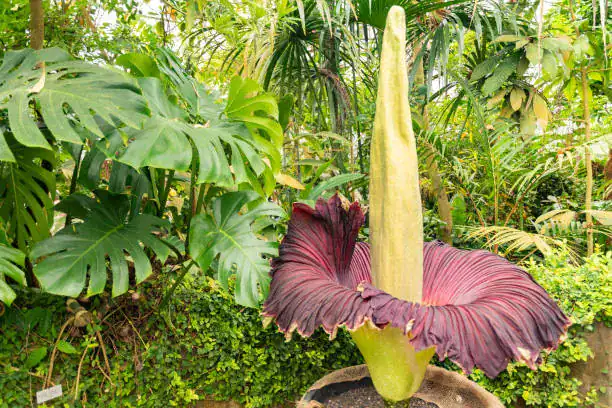
The Corpse Flower, as it’s often called, isn’t subtle. It’s massive, strange, and—to most noses—deeply unpleasant. But that’s by design. Native to Sumatra, it imitates decay to attract pollinators. It only blooms every so often—ten years, sometimes more. Still, people come to see it. The smell doesn’t stop them. Maybe because rarity overrides discomfort. Or maybe because it’s so rare, it doesn’t have to be likable.
Neelakurinji (India)

In India’s Western Ghats, once every twelve years, the landscape turns blue-violet. Not gradually—suddenly. Neelakurinji isn’t flashy on its own. But together, in bloom across hillsides, it changes everything. The color spreads and settles like mist. And just as quickly, it vanishes. Twelve years of waiting, two weeks of wonder. That’s the exchange.
Middlemist Red (UK & New Zealand)
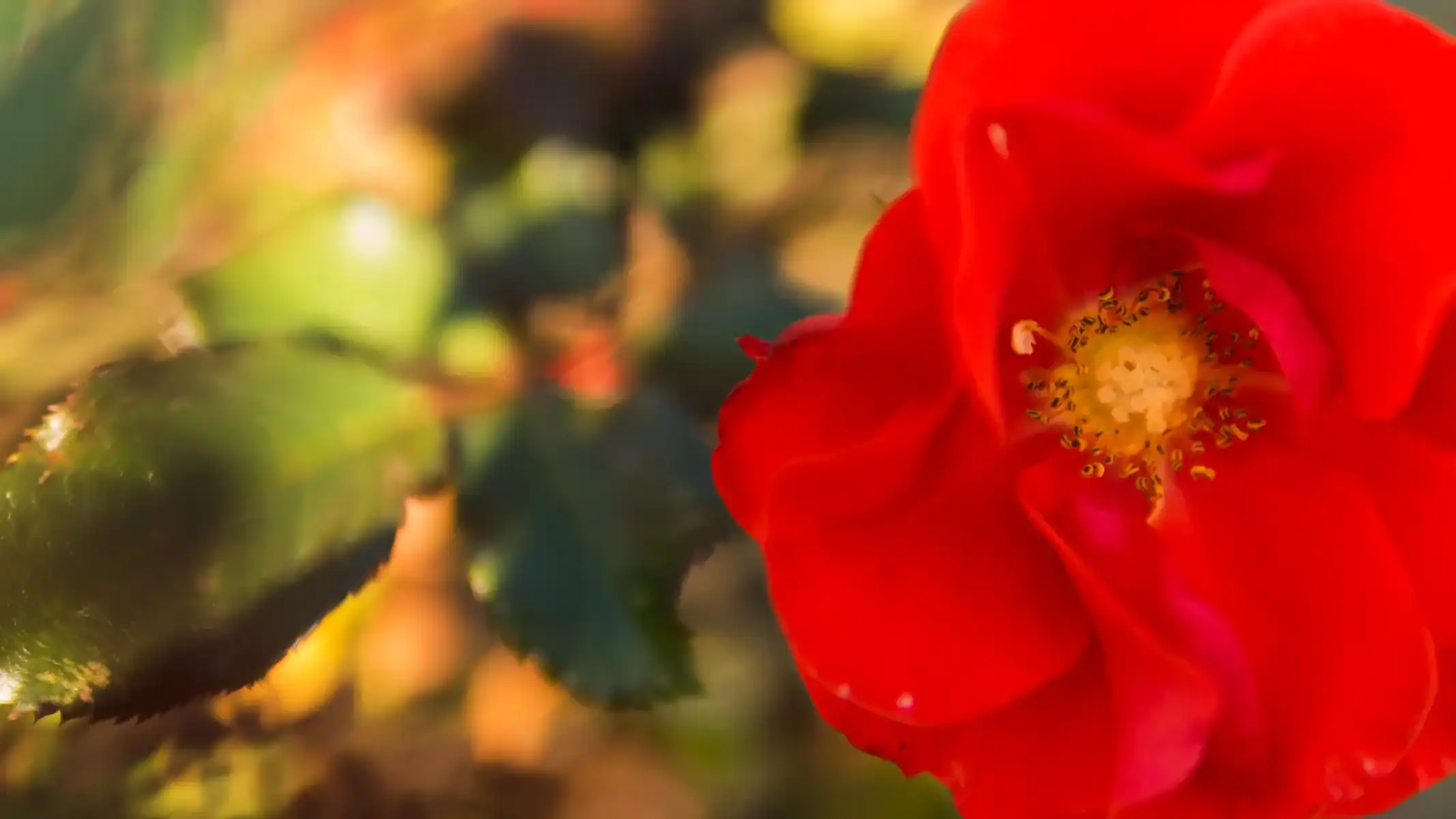
This flower is more legend than plant. Only two exist: one in England, one in New Zealand. No one’s quite sure how it lasted—traveled from China, survived relocation, and somehow kept blooming. It’s shaped like a rose, full and deep red. But it’s not the look that makes it important. It’s the fact that it’s still here.
At Gulmahal, we take inspiration from such beautiful, rare flowers. The restraint, the timing, the emotion. Our designs aren’t just decorative. They’re thoughtful. Built for impact, not excess. A bouquet doesn’t have to shout to matter. Sometimes, it’s the quiet ones that stay with you longest.