
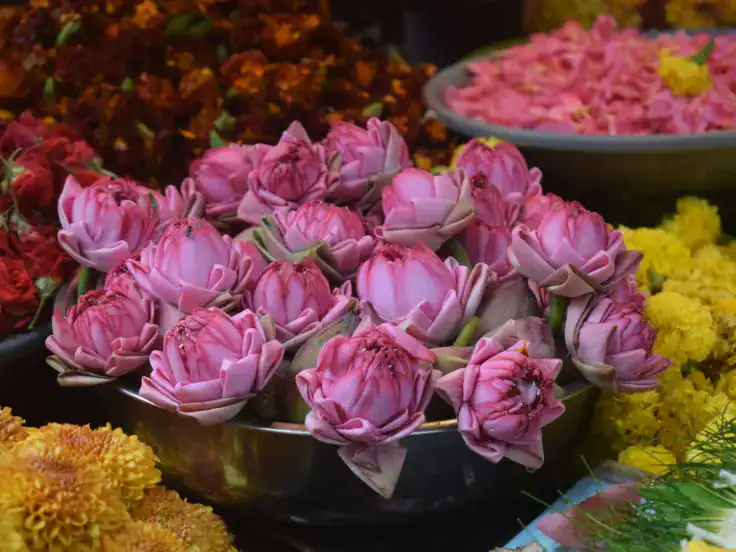
In India, flowers go far beyond decoration. When words fall short, they speak for us with quiet clarity. At home, a simple string of jasmine at the doorstep becomes the most heartfelt way of saying, “Welcome home.”
From the valleys of Kashmir to temple corridors in Tamil Nadu, flowers mark every significant moment in our lives — birth, marriage, prayer, mourning, and harvest. And because India is made up of many cultures, the same flower can have completely different meanings in different regions.
This guide explores the most popular flowers in India, bringing home to you what they symbolize, when they are commonly used, and how deeply they are integrated into daily life.
The Flowers, Their Occasions & What They Signify
From the flowers used in Indian weddings to those offered in prayer and daily rituals, each flower is chosen with purpose. These flowers are not picked randomly — their meanings are connected to the occasions they are used for and the emotions they represent.
Marigold (Genda Phool)
Chosen for: Weddings, festivals, funerals, daily puja
Symbolizes: Auspiciousness, abundance, devotion
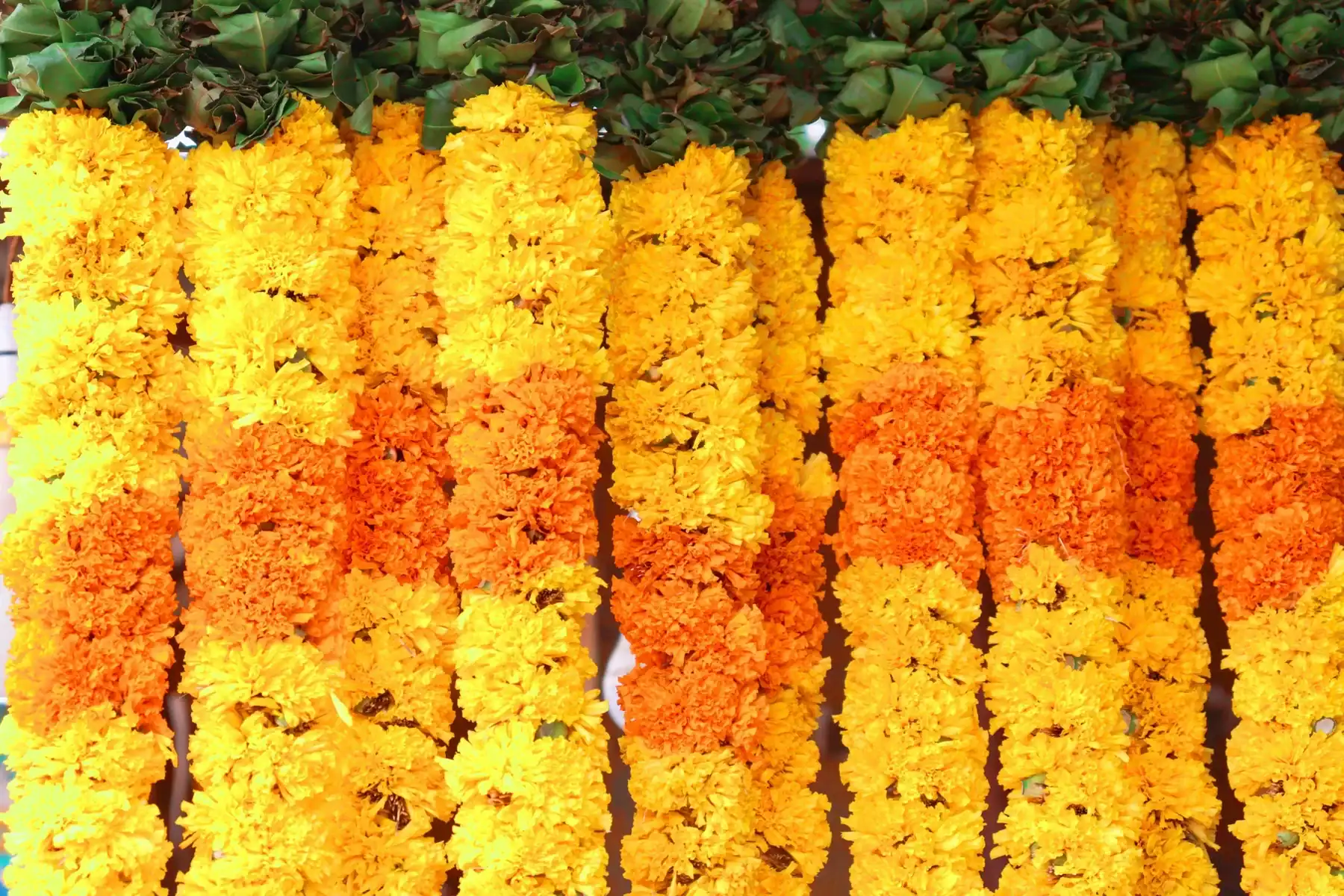
Marigold is the most commonly used flower in Indian floral culture. It is bright, affordable, and widely available, often found in public spaces like celebrations, temples, and doorways. The fact that it wilts quickly is not a weakness but a reminder that the offering has been made and the moment has passed.
Lotus (Kamal)
Chosen for: Temple offerings, rituals, childbirth blessings
Symbolizes: Purity, enlightenment, detachment
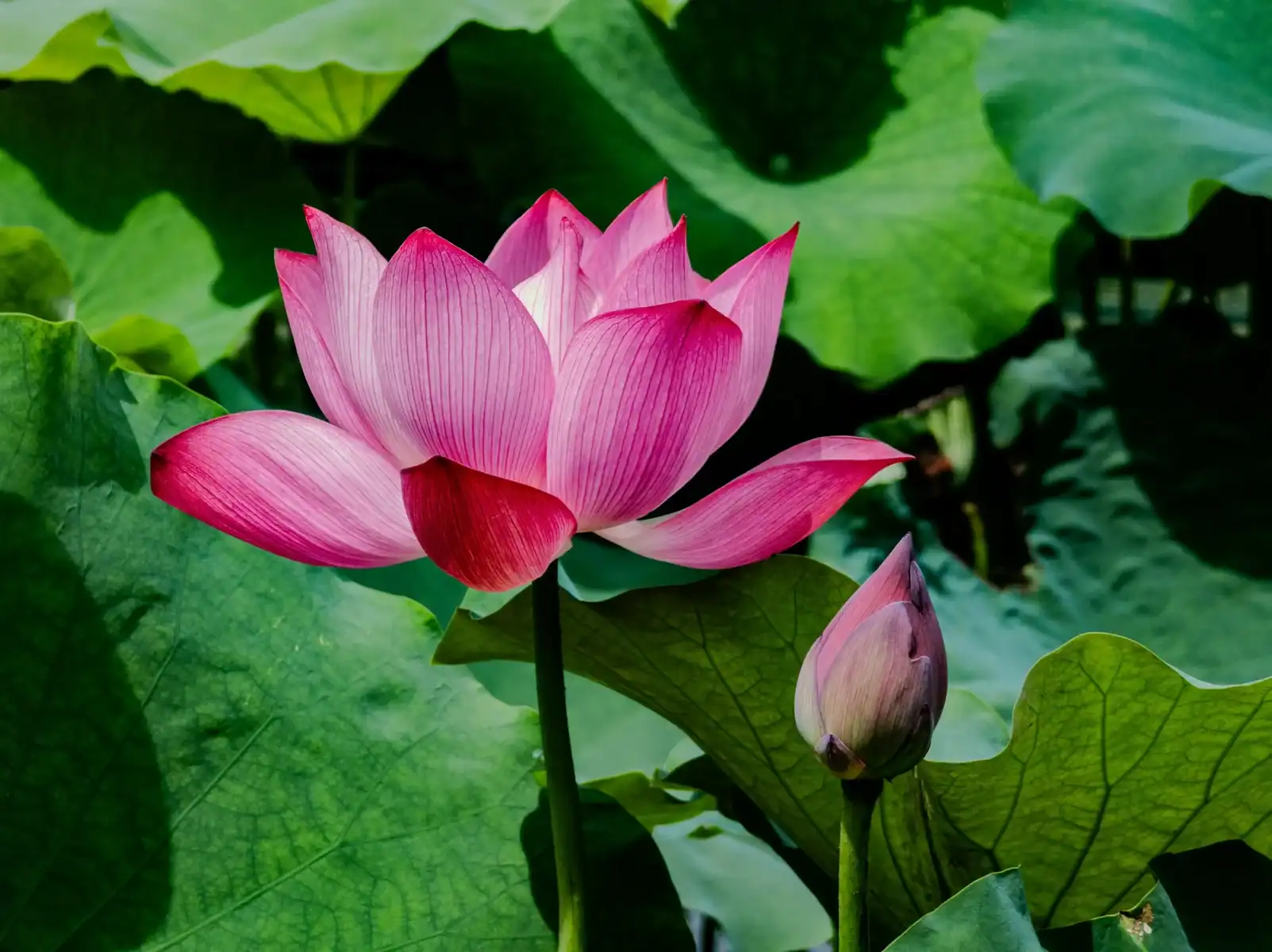
The lotus grows in muddy water yet remains clean — a metaphor that is deeply rooted in Indian philosophy. It is a symbol of spiritual life, not part of our everyday routines.
Jasmine (Mogra / Malli)
Chosen for: Weddings, hair adornment, prayer, intimate moments
Symbolizes: Purity, love, sensuality
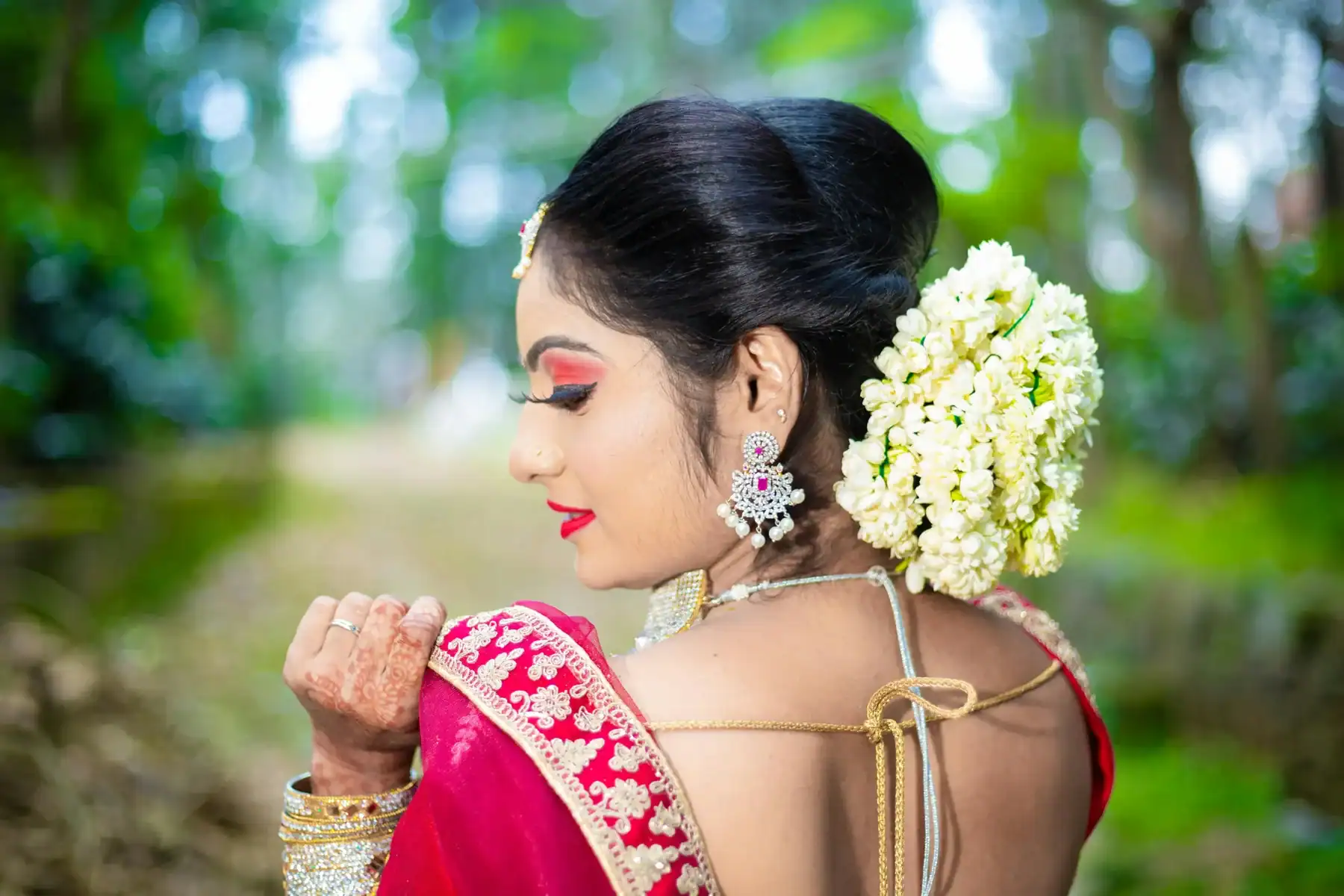
Jasmine is not just seen; it is worn, carried, lived with. Its fragrance lingers — personal, close, and almost private.
Parijat (Night Jasmine)
Chosen for: Dawn prayers, offerings, remembrance
Symbolizes: Impermanence, humility, devotion
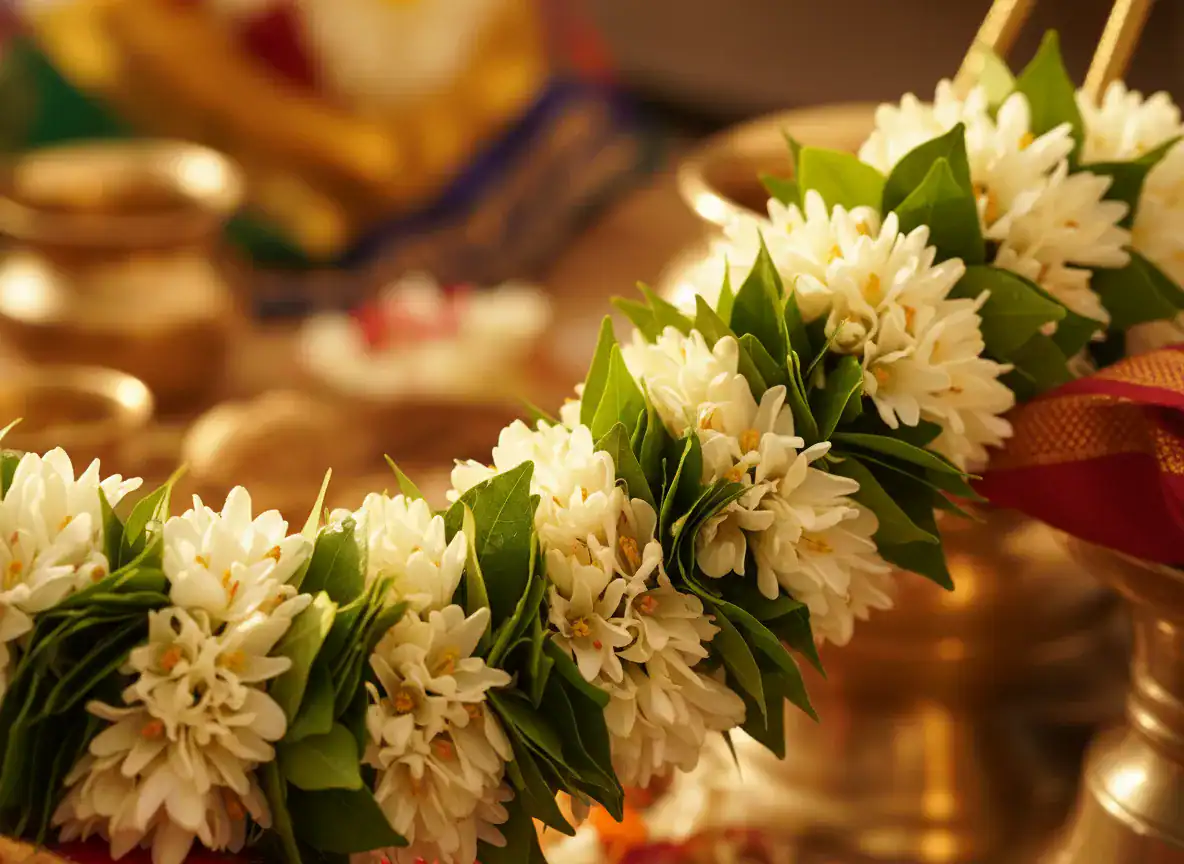
It blooms at night and falls by morning. It is never plucked, only gathered. It offers itself — quietly, completely.
Hibiscus (Gudhal)
Chosen for: Kali and Durga worship, rituals
Symbolizes: Power, energy, protection
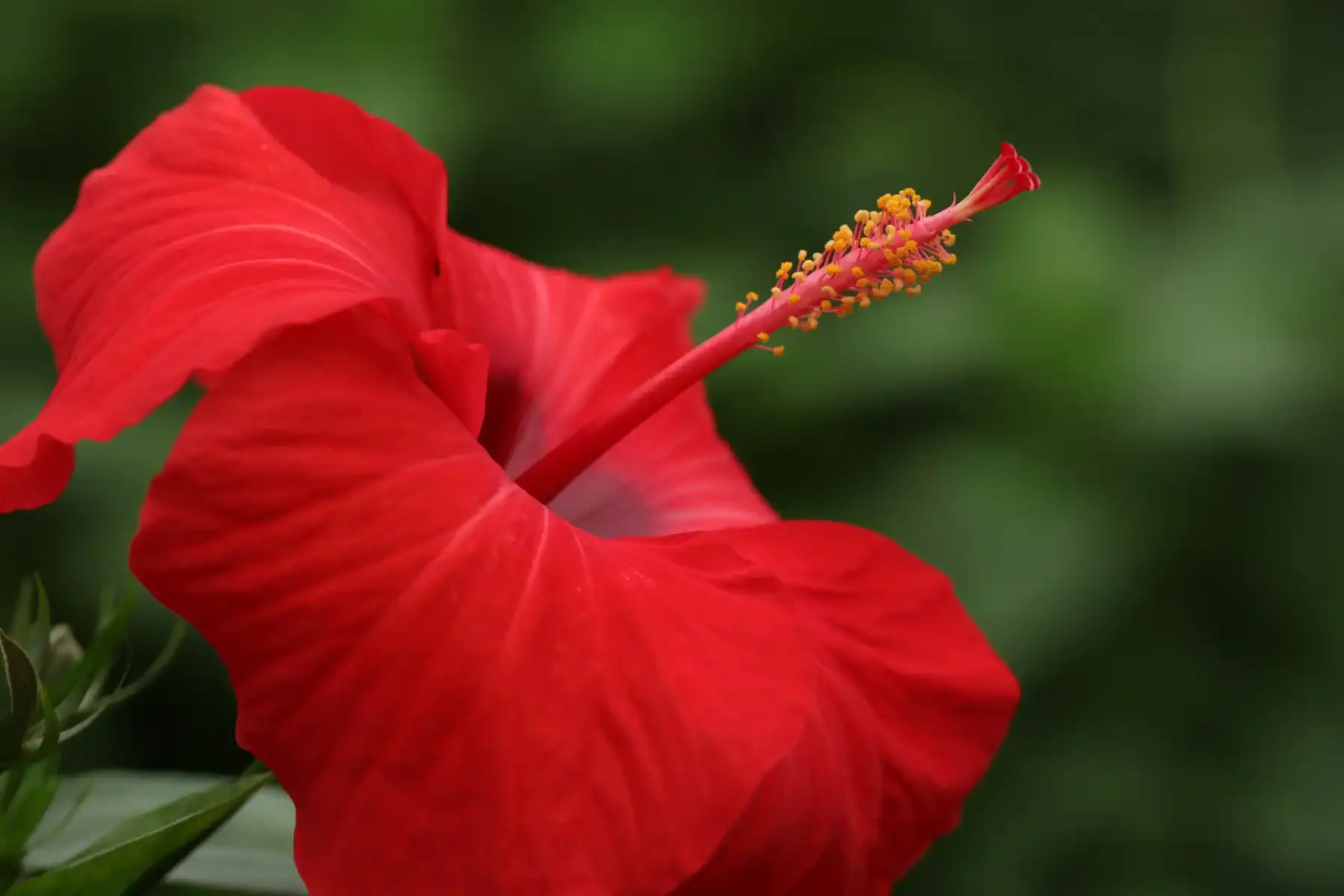
The red hibiscus is not gentle. It represents shakti — force, vitality, the active divine.
Champa (Frangipani)
Chosen for: Temple offerings, remembrance
Symbolizes: Devotion, immortality
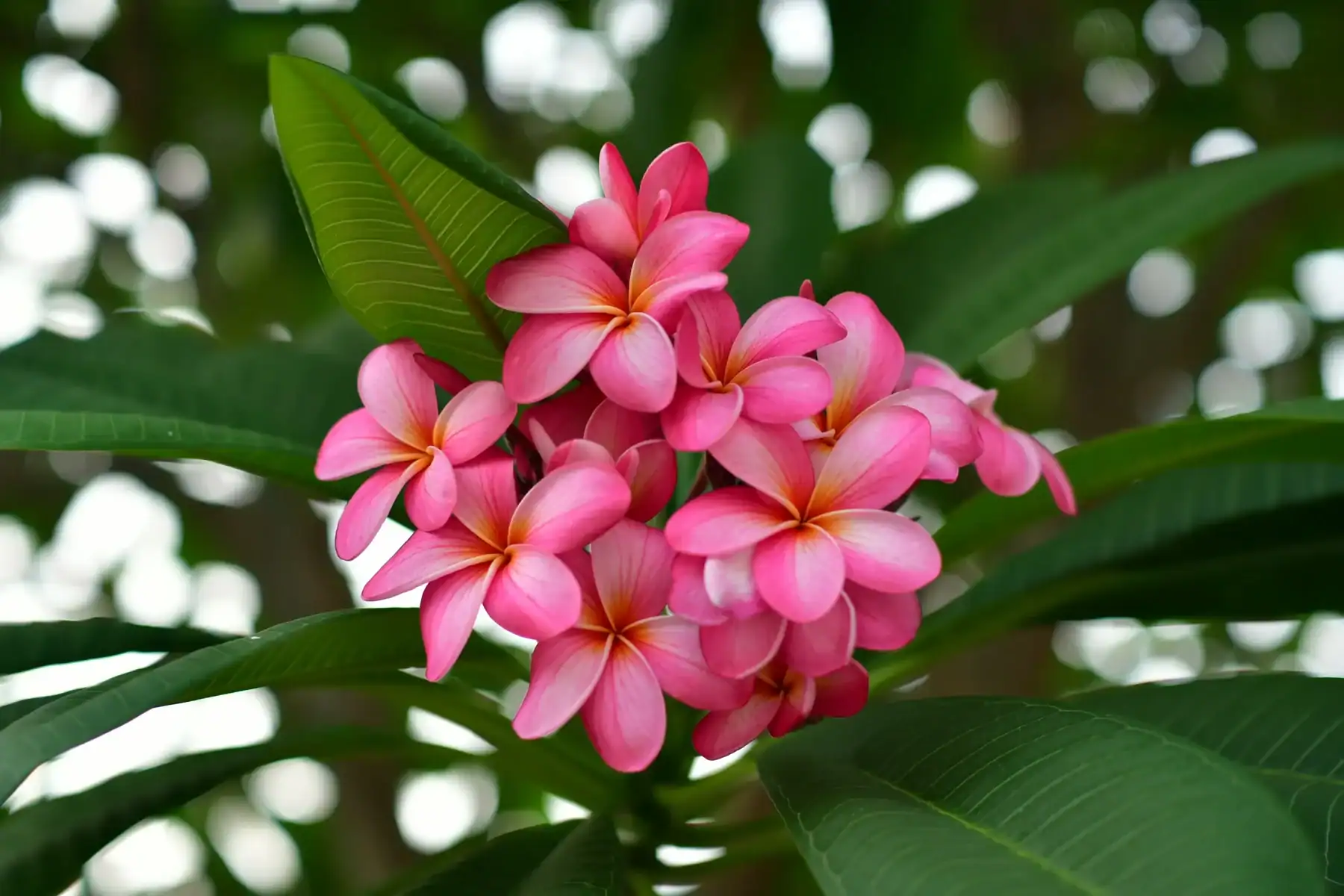
Its fragrance fills temple courtyards and poetry alike — associated with longing and stillness.
Crossandra (Kanakambaram)
Chosen for: Hair adornment, weddings (South India)
Symbolizes: Prosperity, feminine grace
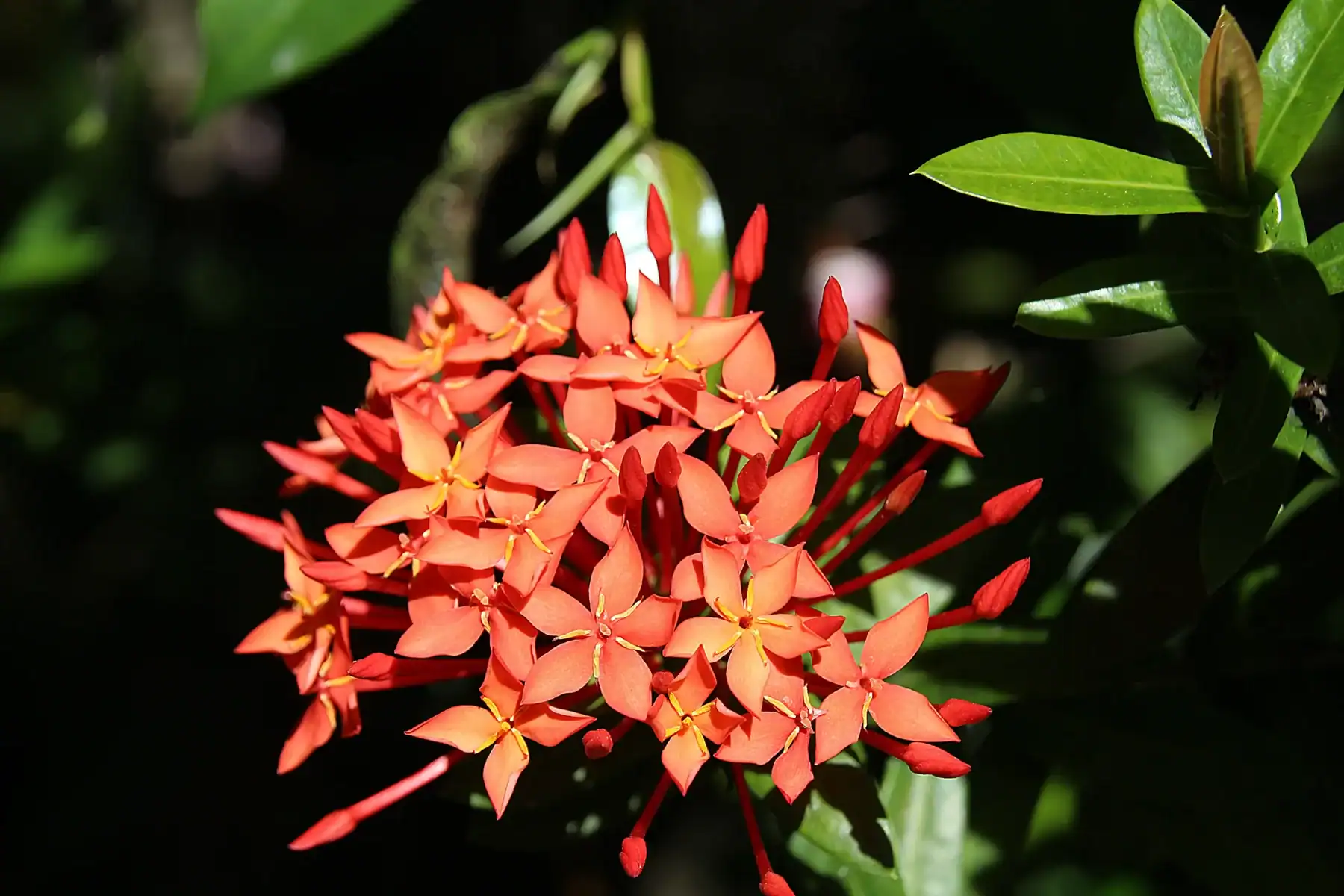
Often paired with jasmine, its orange adds warmth to white — celebration balanced with softness.
Rose (Gulab)
Chosen for: Gifting, weddings, dargahs, festivals
Symbolizes: Love, devotion, admiration
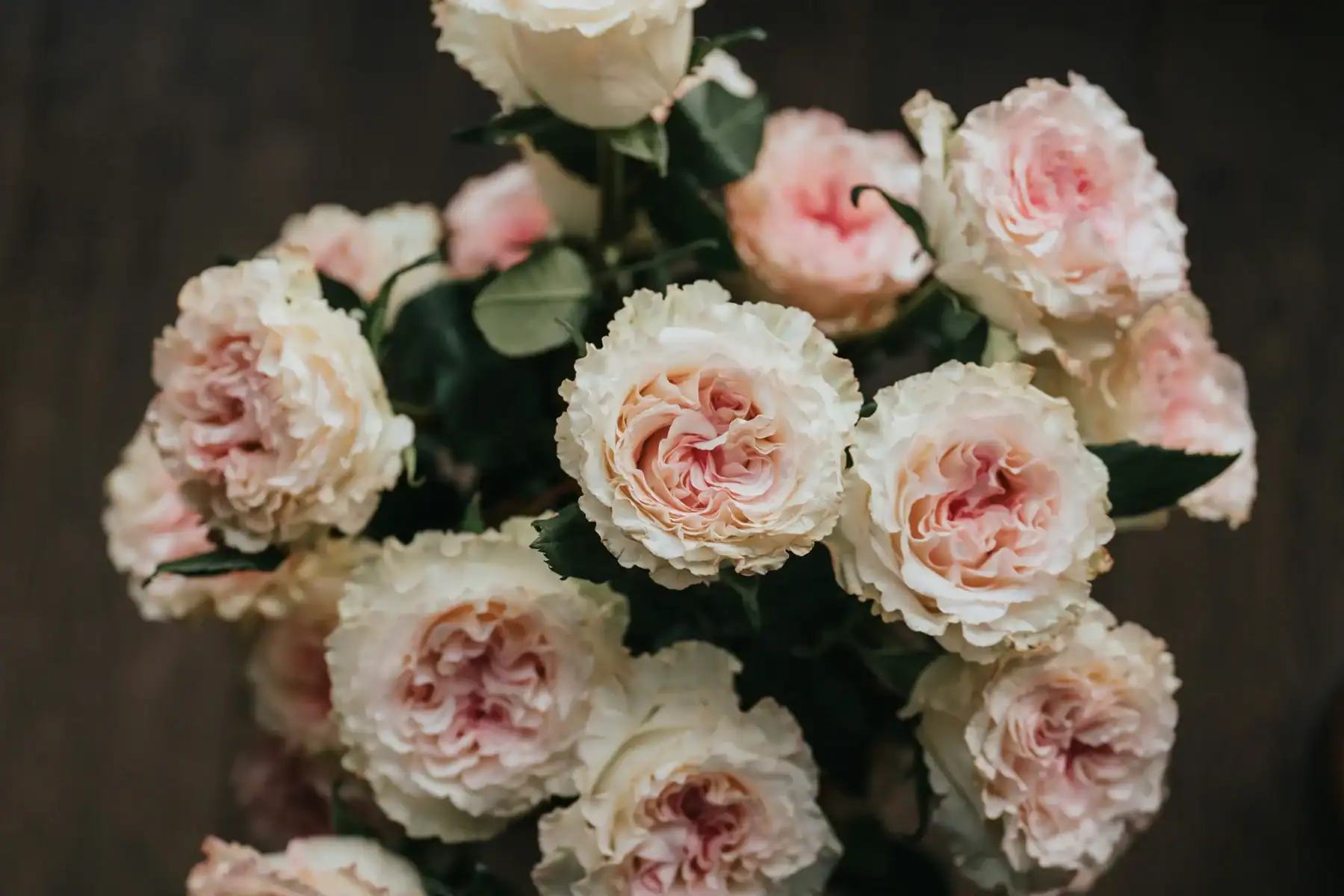
Few flowers shift meaning as easily as the rose — romantic in a bouquet, spiritual at a shrine. Roses are easily among the best flowers for gifting in India.
Flowers in Festivals & Seasons
Indian floral culture follows the calendar. Each season brings its own bloom, each festival its own palette. If you’ve ever wondered about it, this gives you a closer look at the cultural significance of flowers in Indian lifestyle.
Onam (Kerala — August-September)
The Pookalam — an elaborate floor rangoli made entirely of fresh flowers — is the festival’s centrepiece. Marigold, chrysanthemum, and wild forest blooms are arranged in concentric circles, no two days alike. It is art that wilts by evening, which is entirely the point.
Bathukamma (Telangana-October)
Women stack seasonal wildflowers — Gunugu (Cockscomb), Tangedu (Tanner’s Cassia), and Banti (Marigold)— into towering conical structures and float them in water. Visually spectacular, and almost entirely the domain of women.
Basant Panchami & Diwali
Yellow marigolds and Golden Shower Tree (Amaltas) greet Saraswati at Basant Panchami, marking the arrival of spring. At Diwali, marigold torans adorn every doorway and lotus motifs fill rangoli designs. Both festivals use flowers to invite a goddess in.
Diwali
Marigold torans at every doorway offer a warm welcome to Diwali guests and family members. These thick, saffron ropes announce: this home is ready to receive. Lakshmi is said to visit only well-lit, clean, and fragrant homes, making fresh flowers part of the welcome. Lotus motifs fill the entrance rangoli — because this flower is Lakshmi’s seat, and to draw it is to lay one out for her.
Pongal / Makar Sankranti
Pongal is a way of giving thanks for a rich, bountiful harvest. Turmeric plants — their yellow flowers still clinging to the root — are tied to the pot where the season’s first rice is cooked. Marigold garlands circle the hearth, and the cattle that tilled the land. The flowers here do not celebrate an arrival — they mark a return. The earth has given again, and the household answers in petals.
Insight:
Festival flowers aren’t really personal—they’re meant for everyone. They’re there to be seen, shared, and enjoyed together.
Flowers in Everyday Indian Life
Beyond rituals, flowers are a natural part of our everyday lives. Whether it’s the neighborhood flower seller outside a temple or a quick search for a florist near me, our relationship with flowers in India remains immediate and deeply personal.
At the Front Door
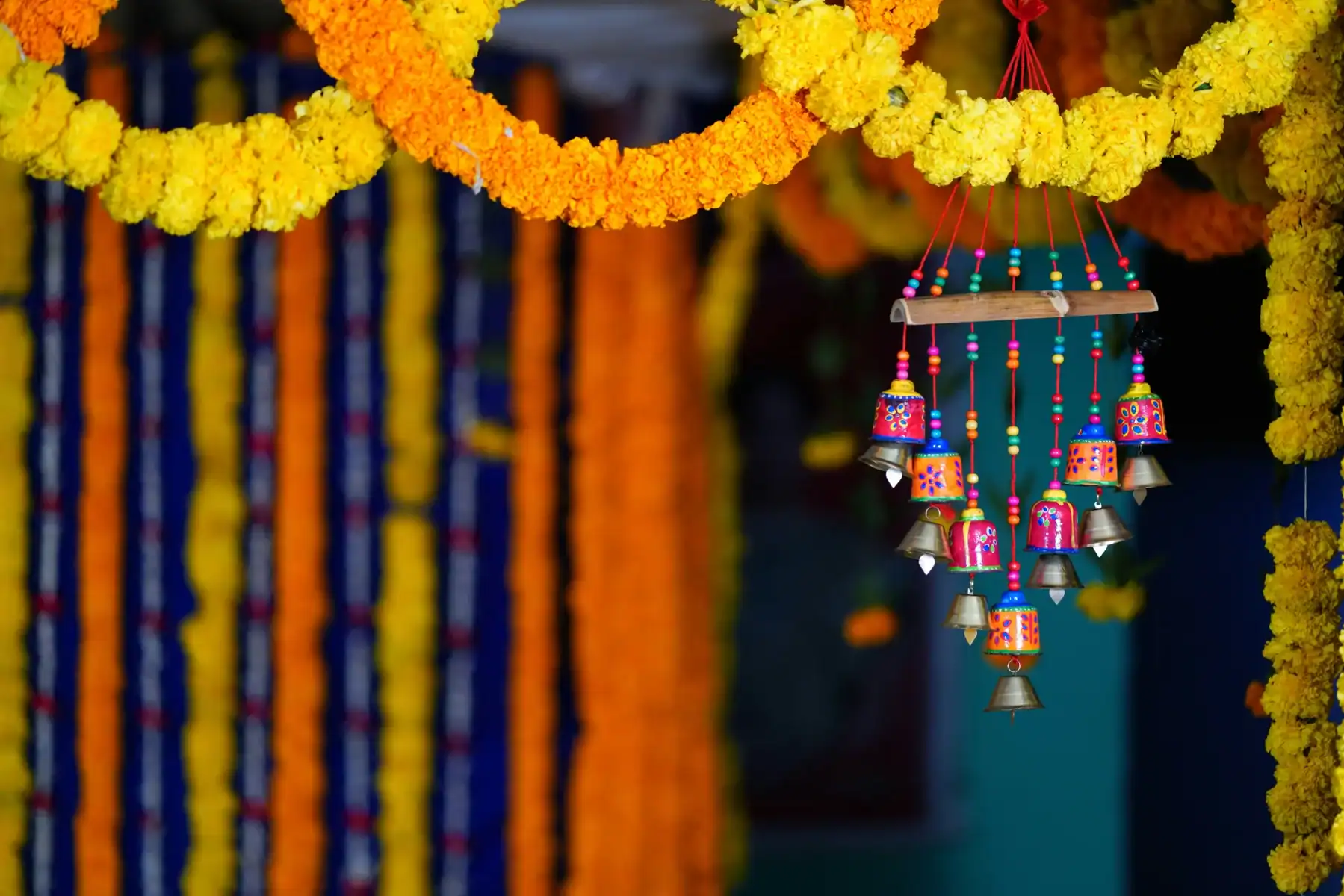
In many South Indian homes, a fresh jasmine or marigold garland at the entrance isn’t just decorative—it’s believed to protect.
In Food
Rose water flavours kheer and lassi. Lotus seeds (makhana) appear in curries and fasting snacks. Banana flowers are cooked as a vegetable in Kerala and Tamil Nadu.
In Medicine
Ayurveda draws on the same flowers: hibiscus for hair and blood pressure, jasmine for anxiety, rose for digestion, Ashoka bark for women’s health. The flower you offer to a god may also be what your grandmother brews when you’re unwell.
In the Hair
Jasmine, crossandra, and rose are woven into women’s hair across South and West India—not for special occasions, but as part of ordinary mornings. The phoolwali outside the temple gate is as routine as a cup of chai.
What Actually Changes the Meaning of a Flower?
In India, symbolism is not fixed. It changes, based on the occasion for which it is used.
Context
A marigold at a wedding celebrates. The same marigold at a shrine devotes. At a funeral, it says farewell.
Form
Form shapes meaning.
A garland signals honor and welcome. Loose petals express devotion and surrender. A bouquet feels personal and modern. Flowers worn in the hair are the most intimate — they reflect identity.
Color
Color does its own talking.
Yellow and saffron signal the sacred — the color of turmeric, of the sun, of auspiciousness.
Red speaks of power and passion, which is why it dominates weddings and goddess worship in equal measure.
White is the most context-dependent of all: in South India it carries purity and is worn by brides.
In parts of the North, the same white bloom belongs to mourning. The shade does not decide — the setting does.
Fragrance
Fragrance changes how a flower is experienced. Strongly scented flowers like jasmine and tuberose are chosen for rituals and weddings because their presence lingers beyond the visual. A flower that carries scent feels alive, almost participatory.
Timing
Timing shapes meaning as much as the flower itself. Parijat belongs to dawn, while tuberose unfolds at night, linking it to intimacy and reflection. A flower used in its natural moment carries a deeper sense of belonging.
Key Insight
A flower’s meaning doesn’t come from the flower alone—it comes from how it’s used, where it’s placed, and what people understand it to mean.
How to Choose the Right Flowers
Choosing the right flowers in India is less about preference and more about context. The same bloom can express celebration, devotion, or intimacy depending on where and how it is used.
When choosing flowers for personal occasions, it helps to understand what are considered the best flowers for gifting in India — roses for love, lilies for positivity, and orchids for a more modern, refined gesture.
Once you understand the occasion and intent, the choice becomes both simpler and more meaningful. Then, to buy flowers for Indian wedding decoration is easy peasy.
For Weddings
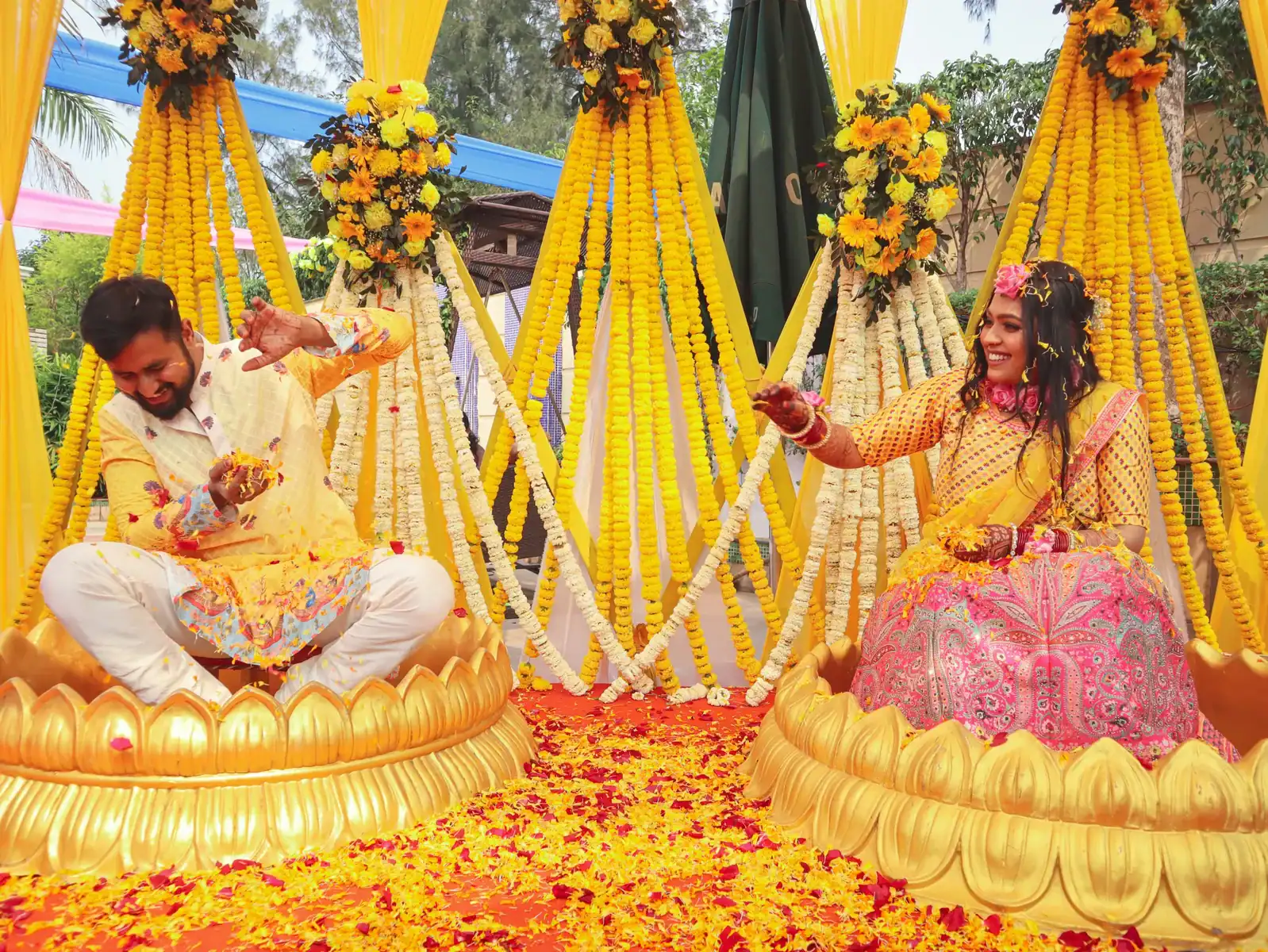
Marigold for décor, jasmine for intimacy, rose and tuberose for garlands. Get in touch with any reputable wedding florist India and you’ll get a breathtaking variety of flowers to add to your celebrations.
For Pooja
Match the deity — hibiscus, lotus, jasmine at the pooja flower shop near me. Remember to always go in for fresh flowers.
For Gifting
If you want to stay traditional in your choice, you can’t go wrong with jasmine. But if you want to strike out with a modern choice, why not select orchids?
For Sympathy
Convey your sympathies with a bunch of white flowers like lilies or roses.
Quick Reference Table
Honor
| Occasion | Traditional Choice | Modern Choice |
|---|---|---|
| Wedding | Marigold, Jasmine | Rose, Orchid |
| Pooja | Lotus, Hibiscus | Jasmine |
| Romantic | Jasmine | Rose |
| Sympathy | Marigold, White flowers | White Lily |
| Birthday | Rose | Mixed bouquet |
| Honor | Marigold garland | Rose bouquet |
Takeaway
The most popular flowers in India are not just chosen for their beauty—they are deeply tied to culture, emotion, and tradition. From marigolds in festivals to roses in gifting and lotus in spiritual rituals, each flower carries a meaning shaped by its context and usage.
Understanding the symbolism behind the most popular flowers in India allows you to move beyond decoration and use flowers more intentionally—whether for celebrations, rituals, or personal expression. In this way, flowers become more than visual elements; they become a powerful language woven into everyday Indian life.
Today, the act itself has evolved — you can buy flowers online in India at Gulmahal and have them delivered across cities, but the meaning they carry remains rooted in tradition.
Looking to order flowers for a wedding or festival? Explore curated options for exotic flower delivery India.
FAQs
What are the most popular flowers in India?
Marigold, rose, lotus, jasmine, hibiscus, and rajnigandha are among the most popular flowers in India, widely used in rituals, festivals, weddings, and gifting.
Why are flowers important in Indian culture?
Flowers symbolize prosperity, devotion, purity, and emotion. They are integral to rituals, celebrations, and daily life.
Which flowers are used in Indian weddings?
Marigold, rose, jasmine, and rajnigandha are commonly used, representing celebration, love, and elegance.
Which flowers are used for pooja?
Lotus, hibiscus, marigold, and jasmine are generally offered, as they symbolize purity and devotion.
What is the significance of marigolds in India?
Marigolds represent auspiciousness and positivity and are widely used in festivals, weddings, and temples.
How does flower meaning change by occasion?
The same flower can carry different meanings depending on context — celebration, devotion, or remembrance.
Which flowers are best for gifting?
Roses, lilies, orchids, and carnations are popular gifting flowers, symbolizing love, prosperity, and appreciation.
Author of the Blog: Mithi Chinoy